
Hindu Gods and Goddesses: A Directory of 160 Deity Profiles
This directory brings together profiles of 160 Hindu gods and goddesses, from widely worshipped deities like Shiva, Vishnu, Durga and Ganesha to planetary deities, fierce Mahavidya forms and lesser known regional gods. Each profile is written for people trying to understand a deity’s stories, iconography, mantras and the temples linked to them, from someone preparing for a puja to a student meeting the myths for the first time. It works as a starting point for study and devotion, not a substitute for guidance from your own tradition or guru.
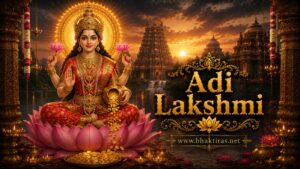
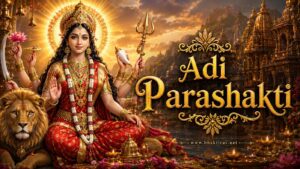
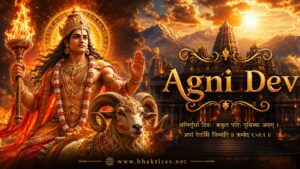
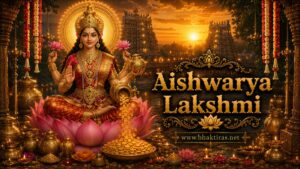
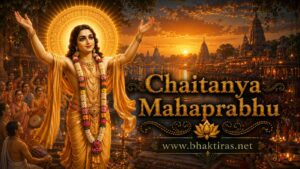
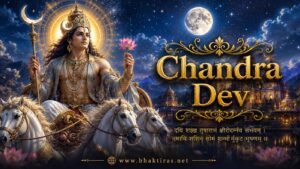
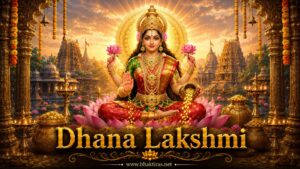
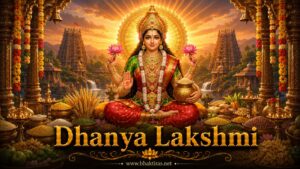
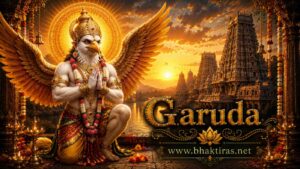
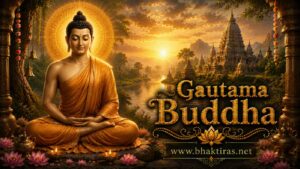
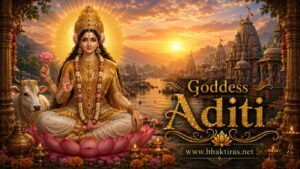
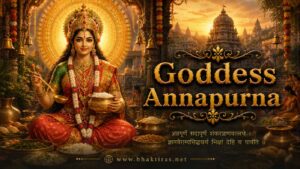
The deities below are arranged in a simple alphabetical grid, so you can scan by name or scroll through the whole collection. Click any card to open that deity’s full profile, which covers their principal stories and forms, iconography and symbolism, mantras and stotras, sacred days and festivals, and the temples where they are worshipped. Start with a name you already know, or spend a few minutes with a deity you’ve never encountered before.
Showing 1-24 of 160 deities · page 1 of 7
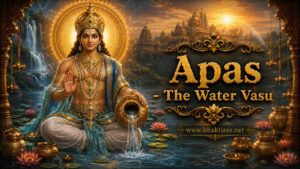
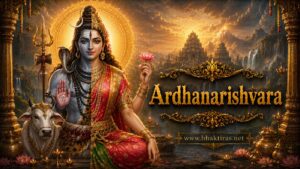
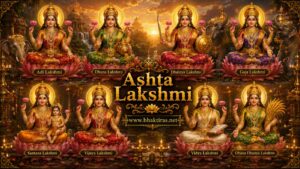
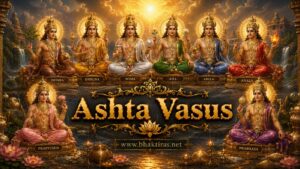
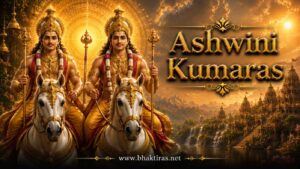
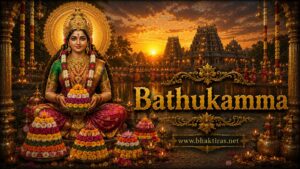
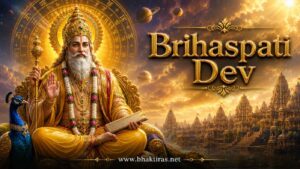
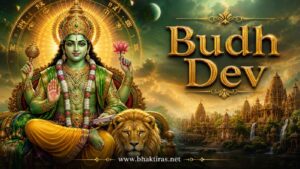
Hindu Gods and Goddesses - Frequently Asked Questions
How many gods and goddesses are covered on this page?
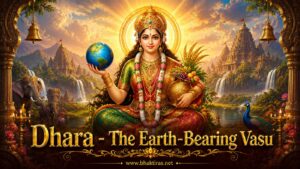
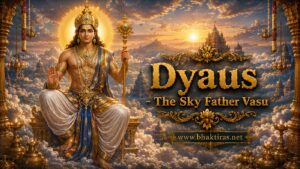
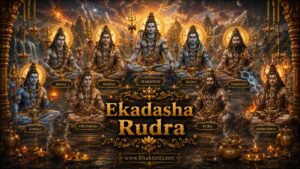
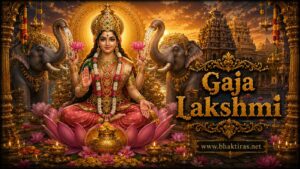
This directory lists 160 individual profiles, covering major deities such as Shiva, Vishnu, Brahma, Durga, Lakshmi, Saraswati, Ganesha and Hanuman alongside the Navagraha planetary deities, the Dasa Mahavidyas, the Ashta Vasus, the Ekadasha Rudras and a range of regional and folk gods. Each profile explains that deity’s stories, iconography, mantras, sacred days and associated temples in one place.
Does Hinduism really have 33 crore gods?
The figure comes from a mistranslation. The Sanskrit word is koti, which in the Vedas means ‘type’ or ‘category’, not the number 33 crore (330 million) that later usage suggests. The classical count is 33 principal Vedic devas grouped into 12 Adityas, 11 Rudras, 8 Vasus and 2 Ashvins, and most schools of Hindu thought treat these many forms as expressions of one ultimate reality, Ishvara or Brahman, rather than as separate, competing powers.
What is the difference between a god and an avatar?
A god, or deva, is understood as a distinct divine being with their own form, domain and mythology, such as Shiva or Durga. An avatar, or avatara, is a direct descent of a specific god, usually Vishnu, taking birth in the world for a particular purpose, as with Rama or Krishna. So Krishna is an avatar of Vishnu, while Vishnu himself, along with Shiva, Devi and the others, is a god in his own right.
How do I choose a personal deity, or ishta devata?
Most Hindus choose an ishta devata, or personal deity, based on family or regional tradition, a guru’s guidance, or simply a strong personal pull toward a particular form of the divine, such as Ganesha, Krishna or Devi. There is no single correct choice, since the different deities are seen as facets of the same underlying reality. Reading a few profiles here, then sitting with the one that feels most alive to you, is a reasonable way to begin if no family tradition already points you in a direction.
Which deity is worshipped for which need, such as protection or learning?
Tradition associates particular deities with particular concerns: Ganesha is invoked before new beginnings and to clear obstacles, Saraswati is approached for learning and the arts, Lakshmi for prosperity and wellbeing, Hanuman and Durga for protection and courage, and Shiva for inner transformation and release. These associations are guides built from long devotional practice, not fixed rules, and many households worship several deities across a week or a year.
How is this directory organised?
The 160 profiles are arranged alphabetically in a card grid, with 24 deities shown per page and simple, crawlable page links to move through the rest. Each card carries the deity’s name and image and opens directly into a full profile covering their stories, iconography, mantras, sacred days and temples.