
Ganesh Jayanti 2027 – Lord Ganesha's Magha Birthday
गणेश जयंती
When is Ganesh Jayanti in 2027?
Ganesh Jayanti falls on Wednesday, 10 February 2027. Also called Maghi Ganesh Jayanti, Tilkund Chaturthi or Varad Chaturthi, it marks the birth of Lord Ganesha on Magha Shukla Chaturthi. It is a one-day observance kept mainly in Maharashtra, Goa and the Konkan, and is distinct from the larger Ganesh Chaturthi held in August-September.
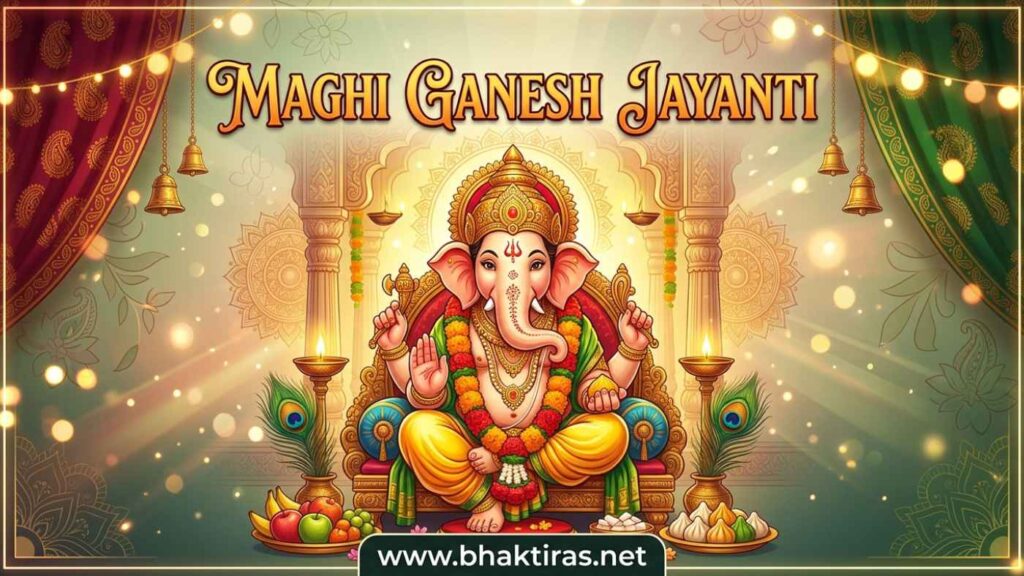
Ganesh Jayanti is the winter birthday of Lord Ganesha, observed on the fourth day of the bright fortnight of Magha, usually in January or February. Devotees in Maharashtra, Goa and along the Konkan coast fast, worship a small Ganesha murti often shaped from turmeric or sesame paste, and offer til-gul sweets – the reason the day is also called Tilkund Chaturthi. In 2027 it falls on Wednesday, 10 February. It is a quieter, more regional occasion than the ten-day Ganesh Chaturthi of the monsoon months.
Ganesh Jayanti 2026-2028: Dates & Calendar
The next Ganesh Jayanti is on 10 February 2027. The date shifts each year because it is fixed to the Hindu lunar month of Magha, not the Western calendar.
| Year | Date | Day | Notes |
|---|---|---|---|
| 2026 | 22 January | Thursday | Already passed |
| 2027 | 10 February | Wednesday | Next occurrence |
| 2028 | 30 January | Sunday | Falls in late January |
The main worship is done in the midday (madhyahna) window. In 2027 the Chaturthi tithi runs from the early hours of 10 February into the pre-dawn of 11 February, so households confirm the local muhurat with their panchang before starting the puja.
Why Ganesh Jayanti Is Celebrated
Ganesh Jayanti celebrates the birth of Lord Ganesha, the remover of obstacles and lord of beginnings, on Magha Shukla Chaturthi. Devotees believe worship on this day clears hurdles and grants wisdom before any new undertaking.
The winter birthday
Hindu tradition gives Ganesha two birth observances. Ganesh Jayanti in Magha (January-February) is his birth day, while the far larger Ganesh Chaturthi in Bhadrapada (August-September) marks his re-installation and the start of the ten-day festival. Ganesh Jayanti is the quieter, older regional observance of the two.
Remover of obstacles
Ganesha is invoked at the beginning of journeys, weddings, businesses and studies. On his birthday, families ask for a clear path ahead and offer durva grass and modak, the sweet he is said to love most.
Why til and sesame
The day is called Tilkund Chaturthi because til (sesame) is central to it. Sesame is a warming winter food, and til-gul sweets are prepared and shared. Some households add sesame to the bathing water and mould the day’s small Ganesha murti from til or turmeric paste.
Varad Chaturthi
Another name is Varad Chaturthi, from varad meaning boon-giving. The fast and puja are kept in the belief that Ganesha grants wishes and protects the home, especially for those beginning something new in the year ahead.
Deities & Figures Worshipped
Ganesh Jayanti is dedicated entirely to Lord Ganesha, the elephant-headed son of Shiva and Parvati.
Ganesha
Ganesha, also called Vinayaka, Ganapati and Vighnaharta, is the god of wisdom, intellect and new beginnings. On his Magha birthday he is worshipped with red flowers, durva grass, modak and til-gul. Many keep a fast through the day and break it after the evening or midday puja.
Key Rituals, Step by Step
A typical Ganesh Jayanti at home is a single day of fasting and focused worship. Here is the usual order.
- Morning bath and vow. Devotees rise early and bathe, sometimes adding sesame to the water. They take a sankalp (vow) to keep the fast and complete the puja.
- Prepare the murti. A small Ganesha idol is set up. In the older custom it is moulded by hand from turmeric, sesame or a clay paste, then placed on a clean wooden platform or chowki.
- Invocation. The idol is invoked with a lamp, incense and a red cloth. Red flowers and 21 blades of durva grass are offered, along with sindoor (vermilion) on the murti.
- Offer modak and til-gul. Twenty-one modak are a traditional offering, together with til-gul, laddu and fruit. The prasad is later shared among family and neighbours.
- Fast through the day. Many keep a strict or fruit-only fast, chanting Ganesha’s names, the Sankashti stotra or Atharvashirsha through the day.
- Avoid the moon. By custom devotees do not look at the moon on this Chaturthi, echoing the belief tied to Ganesh Chaturthi that moon-sighting invites false blame.
- Aarti and breaking the fast. The puja closes with aarti. The fast is broken after the midday or evening worship with the offered prasad.
- Visarjan (where done). A hand-made turmeric or sesame murti is often immersed in water or dissolved at home the same day or the next morning, since this is a one-day observance.
Special Foods of Ganesh Jayanti
Winter sesame sweets sit at the centre of the day, alongside Ganesha’s beloved modak.
Til-gul
Sesame and jaggery sweets, the same til-gul associated with the winter season. Warming and simple to make, they are offered to Ganesha and passed around with good wishes.
Modak
Steamed or fried dumplings with a coconut-jaggery filling, said to be Ganesha’s favourite. Twenty-one modak are a classic offering on his birthday.
Laddu
Motichoor or besan laddu are placed before the idol and shared as prasad. Sesame laddu (til laddu) fit the day’s theme especially well.
Fasting food
Those keeping the fast eat fruit, sabudana khichdi, or a light meal of milk and dry fruits, breaking the fast only after the puja.
Regional Names & Variations
Ganesh Jayanti is chiefly a western Indian observance, strongest in Maharashtra and the Konkan.
Maharashtra
The heartland of the festival, where it is known as Maghi Ganesh Jayanti, Tilkund Chaturthi and Varad Chaturthi. Homes keep the fast and offer til-gul, and Ashtavinayak devotees hold Ganesha in special reverence.
Goa & Konkan
Along the Konkan coast and in Goa the day is marked with home puja and temple visits, though on a smaller scale than the monsoon Ganesh Chaturthi that dominates the region.
Ashtavinayak temples
The eight revered Ganesha shrines of Maharashtra, including Moreshwar at Morgaon and Siddhivinayak at Siddhatek, draw pilgrims on the day with the greeting Ganpati Bappa Morya.
Ganesh Jayanti Do's and Don'ts
Simple customs keep the observance clean and sincere.
Do
- Keep the fast with a clear sankalp and break it only after the puja
- Offer durva grass, red flowers, modak and til-gul to Ganesha
- Bathe early, some add sesame to the water for the winter observance
- Chant Ganesha’s names, the Atharvashirsha or a Sankashti stotra
- Share the prasad and exchange til-gul with family and neighbours
Avoid
- Do not look at the moon on this Chaturthi, as custom advises
- Avoid non-vegetarian food, onion and garlic during the vrat
- Do not begin the puja without checking the local midday muhurat
- Avoid leaving a hand-made turmeric or sesame murti undissolved for long
- Do not confuse it with the ten-day Ganesh Chaturthi in August-September
Frequently Asked Questions
When is Ganesh Jayanti in 2027?
Ganesh Jayanti is on Wednesday, 10 February 2027. It falls on Magha Shukla Chaturthi, the fourth day of the bright fortnight of the Hindu month Magha. The main puja is performed in the midday window.
When is Ganesh Jayanti in 2026 and 2028?
Ganesh Jayanti was on 22 January 2026 (Thursday) and will fall on 30 January 2028 (Sunday). The date moves each year because it is set by the lunar month of Magha rather than the Western calendar, so it lands in January or February.
What is the difference between Ganesh Jayanti and Ganesh Chaturthi?
Ganesh Jayanti is Lord Ganesha’s birthday on Magha Shukla Chaturthi in January-February, kept mainly in Maharashtra, Goa and the Konkan as a one-day observance. Ganesh Chaturthi is the larger ten-day festival on Bhadrapada Shukla Chaturthi in August-September. Both honour Ganesha but on different tithis and at very different scales.
Why is Ganesh Jayanti also called Tilkund or Varad Chaturthi?
It is called Tilkund Chaturthi because til (sesame) is central to the day, offered as til-gul sweets and sometimes used to shape the Ganesha murti or added to the bath water. Varad Chaturthi means the boon-giving Chaturthi, reflecting the belief that fasting and worship on this day earn Ganesha’s blessings.
Which god is worshipped on Ganesh Jayanti?
Lord Ganesha, the elephant-headed son of Shiva and Parvati, is worshipped on Ganesh Jayanti. Known as Vinayaka, Ganapati and Vighnaharta, he is the remover of obstacles and lord of new beginnings. The day marks his birth.
How is Ganesh Jayanti celebrated at home?
Devotees keep a day-long fast, set up a small Ganesha murti often made of turmeric or sesame, and worship it with red flowers, durva grass, modak and til-gul. The fast is broken after the midday or evening aarti, and a hand-made idol may be dissolved the same day.
Why should you not see the moon on Ganesh Jayanti?
By tradition devotees avoid looking at the moon on this Chaturthi, following the same belief attached to Ganesh Chaturthi that seeing the moon invites false accusation. Those who glimpse it by chance are advised to recite the Syamantaka story to ward off the blame.
Where is Ganesh Jayanti mainly celebrated?
Ganesh Jayanti is celebrated chiefly in Maharashtra, Goa and along the Konkan coast. Home fasting and puja are common, and the Ashtavinayak Ganesha temples such as Moreshwar at Morgaon draw devotees on the day.
May Lord Ganesha clear every obstacle from your path this Magha – Ganpati Bappa Morya.