
Chalisa Sangrah: Hindu Chalisa Collection with Lyrics, Meaning & Benefits
A chalisa is a hymn of forty verses that carries centuries of devotion in a form simple enough to chant every day. This Chalisa Sangrah brings that tradition together in one place - from the timeless Hanuman, Shiv and Durga chalisa to the nine Navagraha planets, the ten Mahavidyas, the river goddesses and the guardian deities of temples across India.
Open any chalisa below to read the complete lyrics in clear Roman transliteration, the meaning of each verse, the benefits of the recitation, and simple guidance on when and how to chant it. The collection is listed in alphabetical rows - use the page numbers under the grid to reach the next set of chalisa.
Showing 1-14 of 14 chalisa
 अग्नि चालीसा – अर्थ सहित संपूर्ण पाठAgni
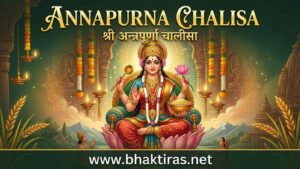 अन्नपूर्णा चालीसा – अर्थ सहित संपूर्ण पाठAnnapurna
 अंबाजी चालीसा – अर्थ सहित संपूर्ण पाठAmbaji
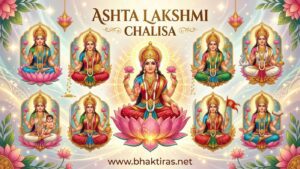 अष्ट लक्ष्मी चालीसा – हिंदी अर्थ सहित संपूर्ण पाठAshta Lakshmi
 बगलामुखी चालीसा – हिंदी पाठ व अर्थ सहितBagalamukhi
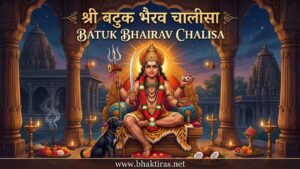 बटुक भैरव चालीसा – अर्थ सहित संपूर्ण पाठBatuk Bhairav
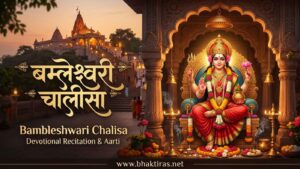 बम्लेश्वरी चालीसा – अर्थ सहित संपूर्ण पाठBambleshwari
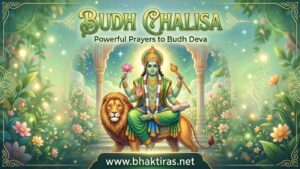 बुध चालीसा – अर्थ सहित संपूर्ण पाठBudh
 भवानी चालीसा – अर्थ सहित संपूर्ण पाठBhavani
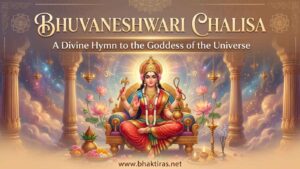 भुवनेश्वरी चालीसा – अर्थ सहित संपूर्ण पाठBhuvaneshwari
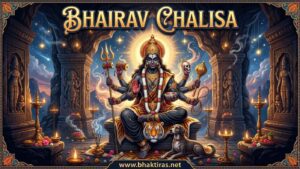 भैरव चालीसा – संपूर्ण पाठ, अर्थ सहितBhairav
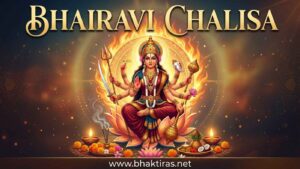 भैरवी चालीसा – अर्थ सहित संपूर्ण पाठBhairaviशनि चालीसा – अर्थ सहित संपूर्ण पाठShani
 हनुमान चालीसा – अर्थ सहित संपूर्ण पाठHanuman
Chalisa Sangrah - Frequently Asked Questions
What is a Chalisa?
A Chalisa is a devotional hymn of forty verses (chaupais), usually framed by an opening and closing doha (couplet), sung in praise of a deity. The word comes from chalis, meaning forty. The best-loved example is the Hanuman Chalisa by Tulsidas, and the same devotional form is used for Shiva, Durga, the Navagraha planets, the Dasa Mahavidyas and many regional gods and goddesses collected here.
What does each chalisa page include?
Every chalisa guide gives the full lyrics in easy Roman transliteration so anyone can chant along, a plain-English meaning for each verse, the benefits of the recitation, when and how to chant it, a short note on its origin, quick facts and a set of frequently asked questions - all on one clean, mobile-friendly page.
What are the benefits of reciting a Chalisa?
Devotees recite a chalisa for steadiness of mind, courage, protection and focus before important tasks. Each hymn also carries blessings linked to its deity - the Lakshmi and Kuber chalisa for prosperity, the Shani and Navagraha chalisa for relief from planetary troubles, the Durga and Kali chalisa for strength, and the Saraswati and Gayatri chalisa for learning. The deeper aim is sincere devotion, not a mechanical count.
In which languages are these chalisa available?
The lyrics on each page use Roman transliteration so they can be read in English, with the original Devanagari provided where relevant. Bhaktiras is multilingual (English, Hindi, Marathi and Gujarati), and Hindi versions are added for the most popular chalisa.
How is the collection organised and paginated?
The chalisa are listed alphabetically, 24 to a page. Use the numbered pagination under the grid to move to the next set. Each page has its own web address (for example /chalisa-sangrah/page/2/), so search engines can crawl and index every chalisa in the collection.
Which is the best day to recite a Chalisa?
Tuesday and Saturday suit Hanuman, Bhairav and the Shani chalisa; Monday suits Shiva and the Chandra chalisa; Friday suits Lakshmi, Santoshi Mata and Devi chalisa; Thursday suits Vishnu, Sai and the Guru (Brihaspati) chalisa. That said, any chalisa may be recited on any day - regularity and devotion matter most, and reciting after a bath before a clean image or lamp is the common practice.