
Gemstones in Vedic Astrology
In Jyotish, a gemstone is a remedy first and an ornament second. Each of the nine grahas has a stone tuned to it: ruby carries the Sun, pearl the Moon, coral answers Mars, and so on down to the shadow planets Rahu and Ketu. Worn correctly, on the right finger, in the right metal, after checking the birth chart, the stone is believed to strengthen the planet it belongs to.
That last part matters. A gemstone is chosen from your kundali, never from your sun sign or a shop display, and a stone that suits one person can sit badly with another. The guides below cover each stone the way an honest jeweller-astrologer would explain it across the counter: who should wear it, what it is credited with, the exact wearing method with mantra and day, what a genuine stone costs in India right now, and how to spot the fakes.
Not sure which stone is yours? Your birth chart decides it, not your sun sign.
Find My Gemstone - Free CalculatorNavratna: The Nine Planetary Gems
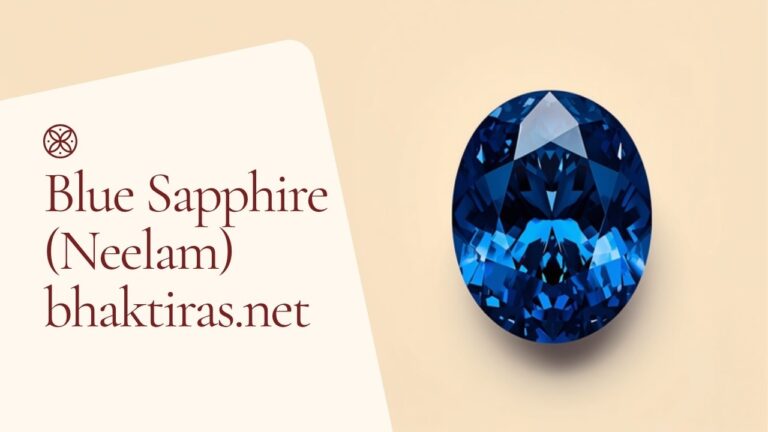
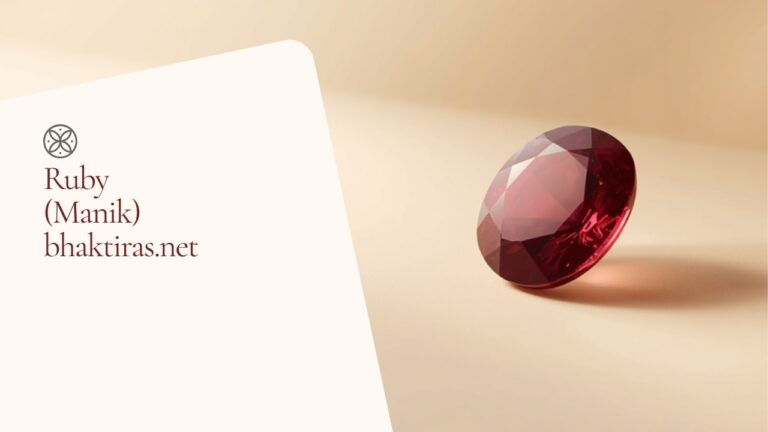
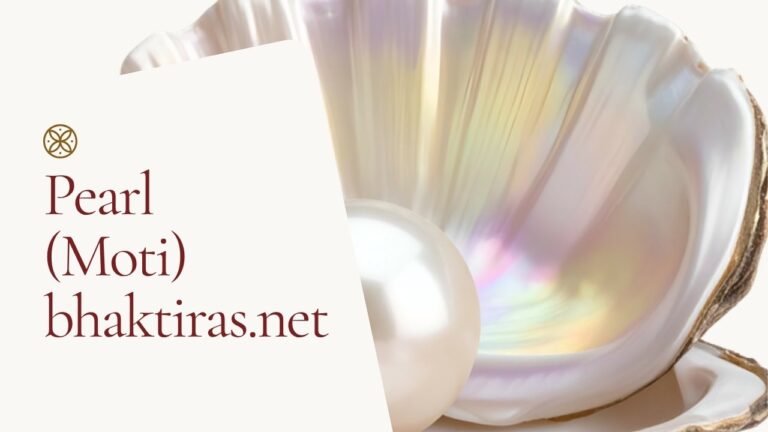
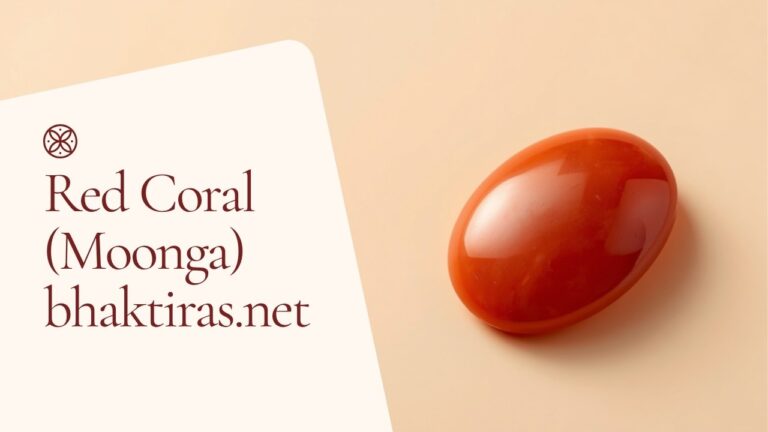
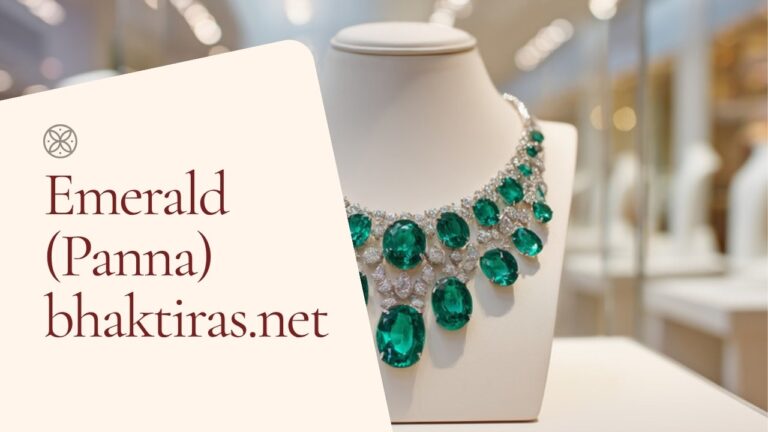
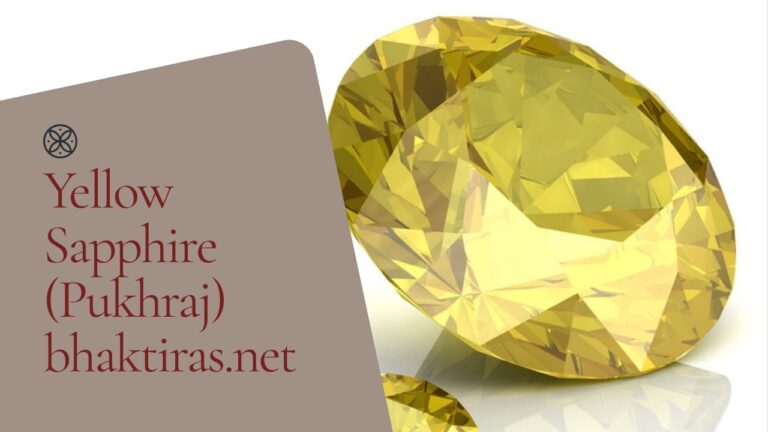
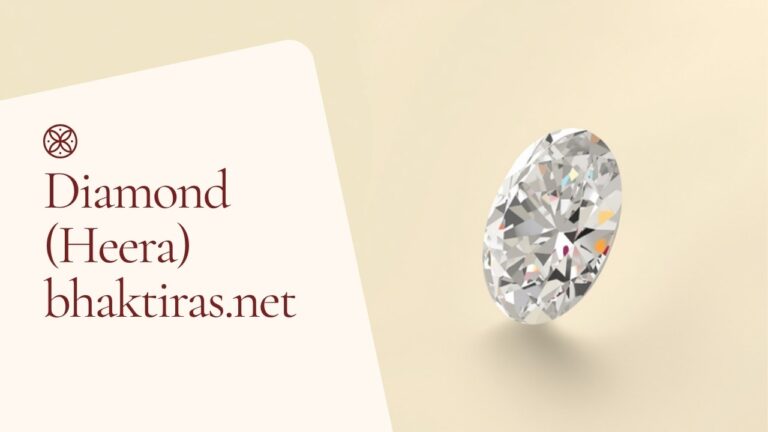
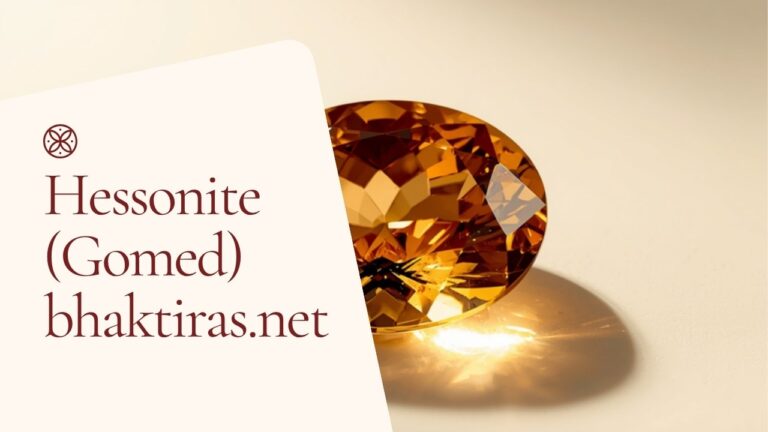
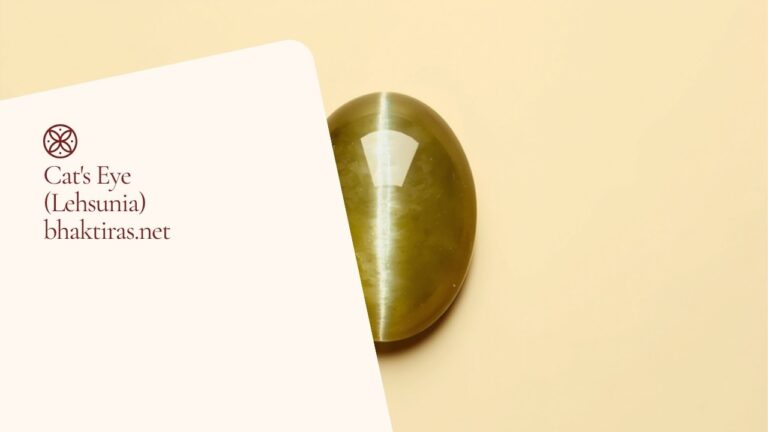
Navratna means nine gems, and the set maps one stone to each graha: ruby (manik) for the Sun, pearl (moti) for the Moon, red coral (moonga) for Mars, emerald (panna) for Mercury, yellow sapphire (pukhraj) for Jupiter, diamond (heera) for Venus, blue sapphire (neelam) for Saturn, hessonite (gomed) for Rahu and cat's eye (lehsunia) for Ketu. These are the primary prescriptions in classical texts, and they are also where the market's biggest prices, and biggest frauds, live. Each guide includes a plain-language section on identifying a real stone before you pay for it.
 Blue SapphireNeelam नीलमSaturn
- RubyManik माणिकSun
- PearlMoti मोतीMoon
- Red CoralMoonga मूंगाMars
- EmeraldPanna पन्नाMercury
- Yellow SapphirePukhraj पुखराजJupiter
- DiamondHeera हीराVenus
- HessoniteGomed गोमेदRahu
- Cat's EyeLehsunia लहसुनियाKetu
Uparatna: Substitute Gemstones
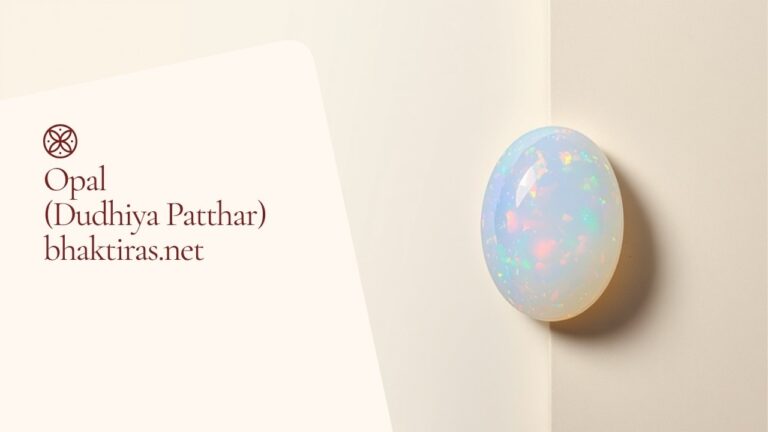
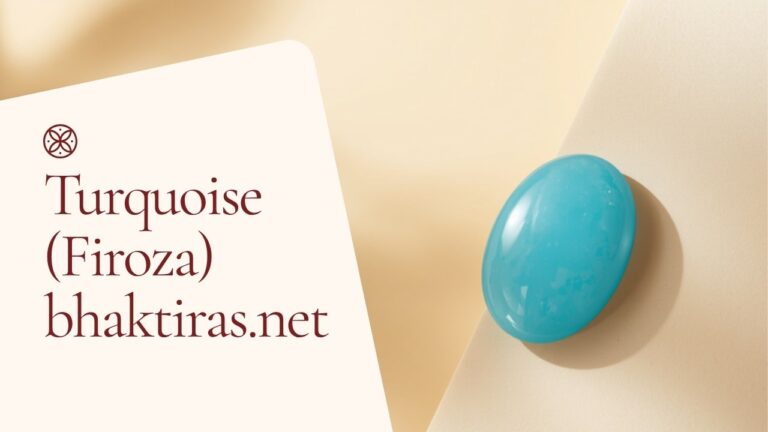
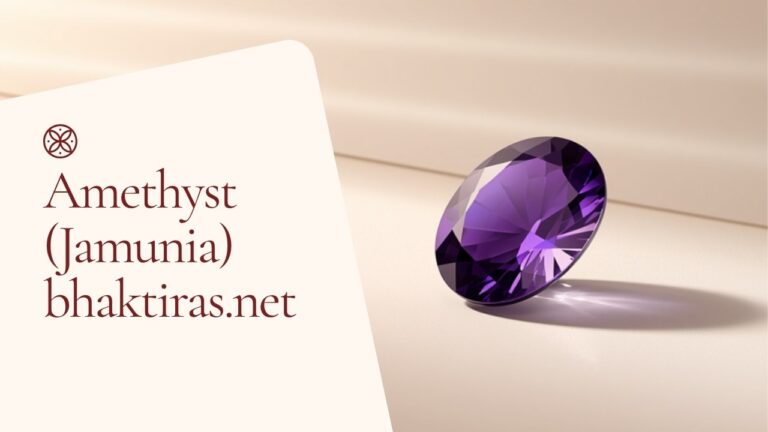
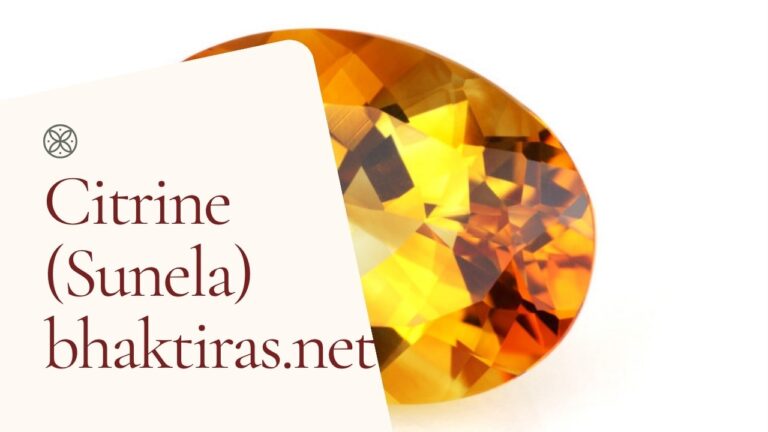
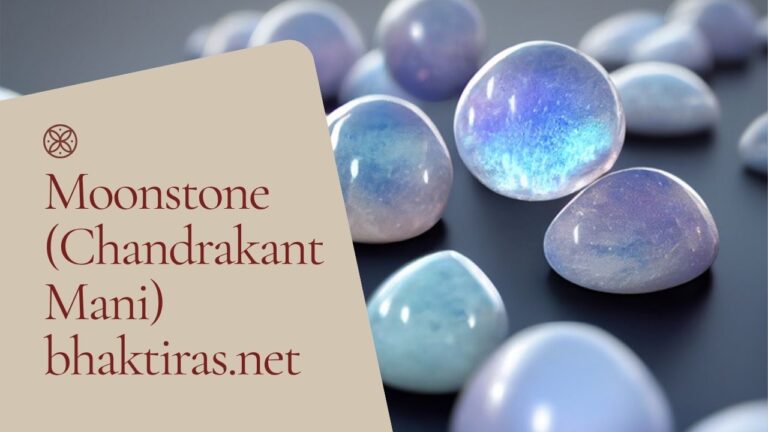
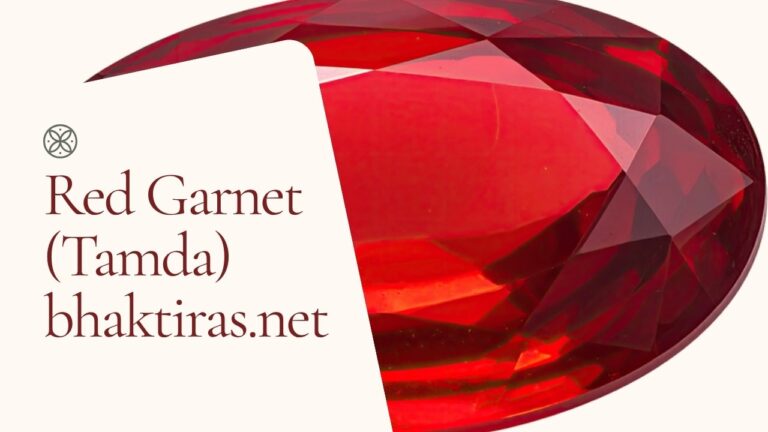
Not everyone needs to start with a Rs 50,000 sapphire. Uparatna are natural substitute stones from the same planetary family that cost a fraction of the primary gem and act more gently: amethyst stands in for blue sapphire, citrine for yellow sapphire, moonstone for pearl, red garnet for ruby. Many astrologers actually prefer them as trial stones, since they let you test how a planet's energy sits with you before committing to the expensive original. They are honest remedies in their own right, not compromises to be embarrassed about.
- OpalDudhiya Patthar ओपलVenus
- TurquoiseFiroza फ़िरोज़ाJupiter
- AmethystJamunia जामुनियाSaturn
- CitrineSunela सुनैलाJupiter
- MoonstoneChandrakant Mani चंद्रकांत मणिMoon
- Red GarnetTamda तामड़ाSun
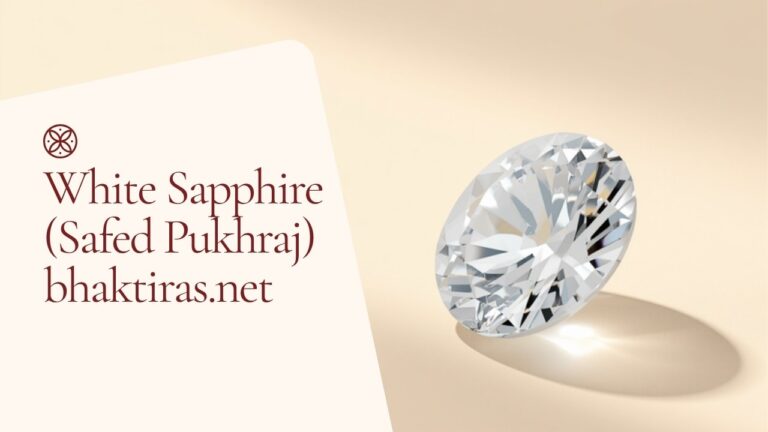
- White SapphireSafed Pukhraj सफ़ेद पुखराजVenus
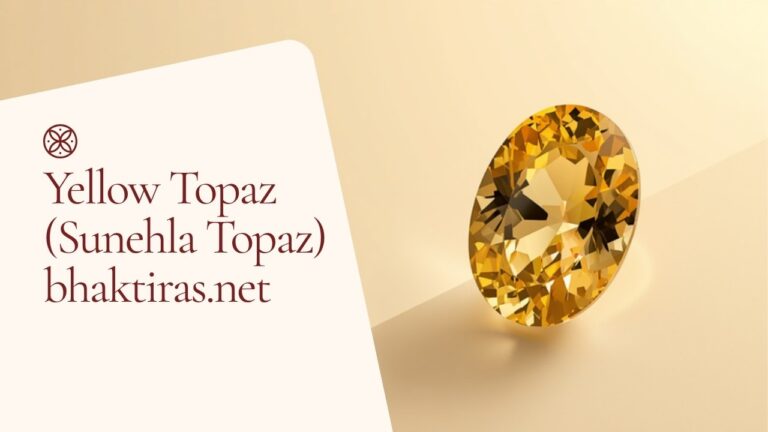
- Yellow TopazSunehla Topaz पीला पुखराजJupiter
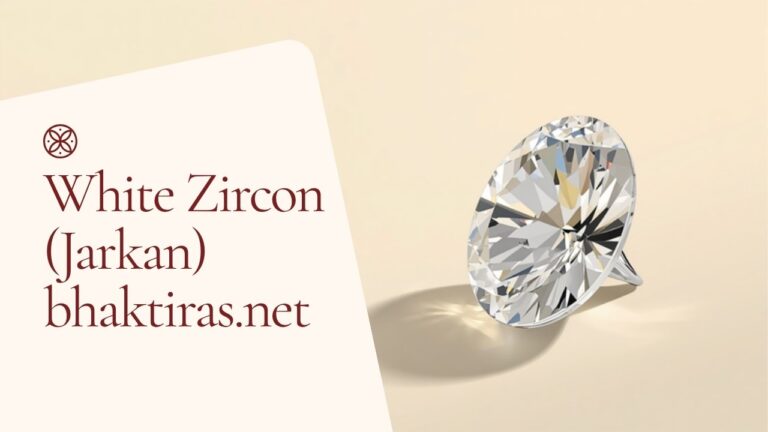
- White ZirconJarkan जरकनVenus
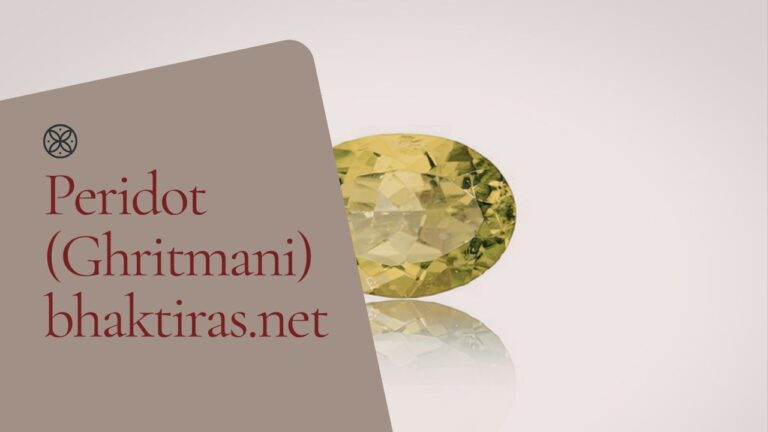
- PeridotGhritmani पेरीडॉटMercury
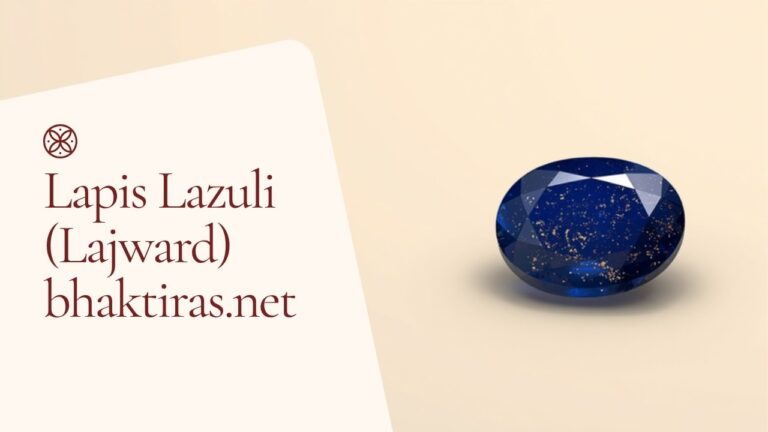
- Lapis LazuliLajward लाजवर्दSaturn
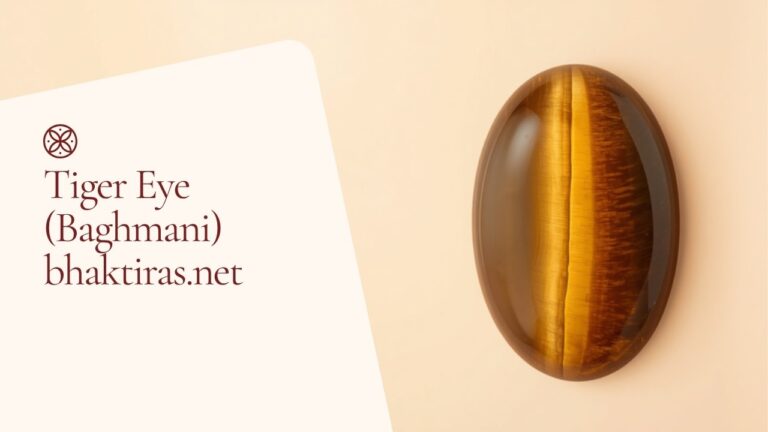
- Tiger EyeBaghmani टाइगर आईKetu
How to Choose Your Gemstone the Right Way
The traditional route runs through your kundali: an astrologer looks at the lagna lord, the ninth and fifth lords, and any weak benefic planet whose dasha is running, then prescribes the stone of the planet that deserves strengthening. Strong malefics are generally left alone, which is why blue sapphire, the fastest and most temperamental stone of the nine, comes with a built-in trial custom of wearing it loosely bound for three days before setting it in a ring.
Three rules protect you regardless of which stone your chart points to. First, confirm the prescription against your actual birth chart, which you can do free with the BhaktiRas gemstone calculator before you speak to an astrologer. Second, buy only natural, certified stones; a lab report stating origin and treatment is non-negotiable at navratna prices, and every guide here lists the going rates so you know when a deal is too good. Third, follow the wearing method: the day, finger, metal and mantra are part of the remedy, not decoration around it.
Frequently Asked Questions
What are the navratna gemstones?
Navratna means nine gems, one for each graha of Vedic astrology: ruby for the Sun, pearl for the Moon, red coral for Mars, emerald for Mercury, yellow sapphire for Jupiter, diamond for Venus, blue sapphire for Saturn, hessonite for Rahu and cat's eye for Ketu.
How do I know which gemstone suits me?
The stone is chosen from your birth chart, usually for the lagna lord, the ninth lord or a weak benefic planet, never just your sun sign. You can check your chart with the free BhaktiRas gemstone calculator, and it is sensible to confirm with an astrologer before wearing a strong stone like blue sapphire.
What is the difference between navratna and uparatna?
Navratna are the nine primary planetary gems. Uparatna are their substitutes: natural stones of the same planetary family that cost less and act more gently, such as amethyst in place of blue sapphire or citrine in place of yellow sapphire.
Should a gemstone be certified before buying?
Yes. Ask for a lab certificate that states the stone is natural and lists any treatment. Heat treatment is common and disclosed for sapphires, but glass-filled, dyed or lab-grown stones are not considered effective for astrological wear.
Can I wear two gemstones together?
Stones of friendly planets can be combined, for example yellow sapphire with red coral. Stones of enemy planets, such as blue sapphire with ruby or pearl, are traditionally avoided on the same hand. When in doubt, wear one stone at a time and observe its effect.