
ॐ
Kamakhya Chalisa
श्री कामाख्या चालीसा
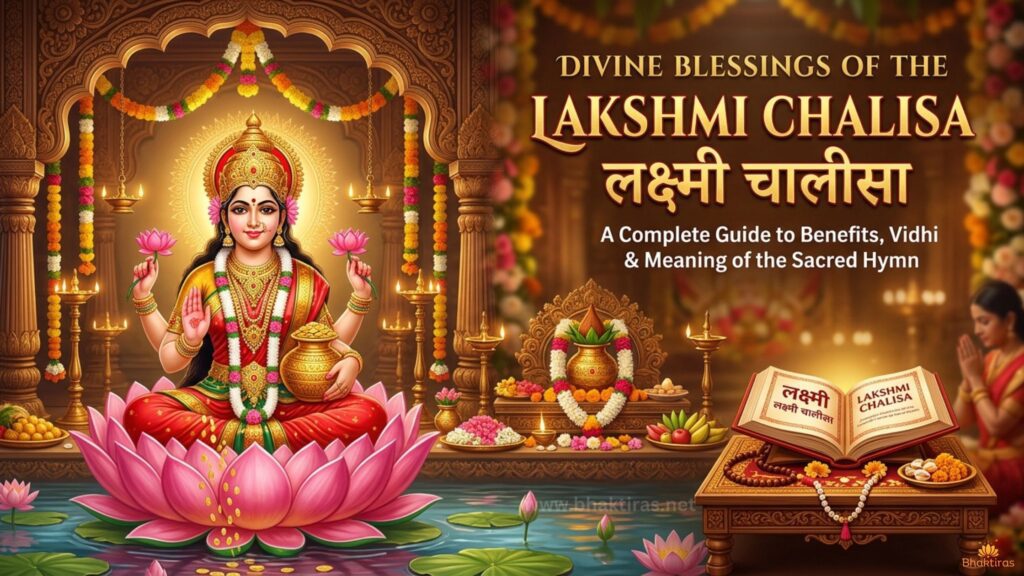
The Kamakhya Chalisa is a forty-verse hymn to Goddess Kamakhya, the Shakti Peetha goddess enshrined on Nilachal Hill in Guwahati, Assam. It praises her as the source of every spiritual power (siddhi) and the Mother who fulfils the heartfelt wishes of those who turn to her. This page gives the complete Roman transliteration along with a clear, original English meaning for each verse, plus the opening and closing dohas, so you can both recite the text and understand what every line says.
Kamakhya Chalisa Lyrics in English (Transliteration)
Roman transliteration for easy chanting. Tap “Meaning” under any verse for the English translation.
Sumiran Kamakhya karun, sakal siddhi ki khaani
Hoi prasann sat karahu maan, jo main kahoun bakhaani
Meaning
I begin by calling Goddess Kamakhya to mind, for she is the wellspring of every spiritual power. Be pleased, O Mother, and make true the praise I am about to offer.
Jai Jai Kamakhya Maharaani
Daatri sab sukh siddhi Bhavaani
Meaning
Glory and glory to you, great Queen Kamakhya. As Bhavani you grant every joy and every spiritual attainment.
Kaamarup hai vaas tumhaaro
Jahaan te man nahin tarat hai taaro
Meaning
Your dwelling is in the land of Kamarupa in Assam. Once a devotee's mind rests there, it no longer drifts or strays.
Oonche giri par karahun nivaasa
Puravahu sada bhagat man aasa
Meaning
You make your home on the high hill of Nilachal. May you always fulfil the hopes your devotees carry in their hearts.
Riddhi siddhi turatai mili jaai
Jo jan dhyaan dharai manlaai
Meaning
Worldly abundance and spiritual power come at once to the devotee who meditates on you with an undivided mind.
Jo Devi ka darshan chaahe
Hriday beech yaahi avgaahe
Meaning
Whoever longs to see the Goddess should look deep within and seek her in the centre of their own heart through meditation.
Prem sahith pandit bulavaave
Shubh muhurat nishchit vichaarave
Meaning
With love, one should invite learned priests and, after careful thought, settle on an auspicious time for the worship.
Apne guru se aagya le kar
Yatra vidhan kare nishchay dhar
Meaning
Having taken leave and blessing from one's own Guru, one should resolve firmly and set out on the pilgrimage with the proper rites.
Pujan Gauri Ganesh Karaave
Naandimukh bhi shraadh jimaave
Meaning
One should first worship Gauri and Ganesha, and also perform the Nandimukh rites for the ancestors.
Shukra ko baayen va paachhe kar
Guru aaru shukra uchit rahne par
Meaning
On the journey one should keep Venus to the left or behind, and ensure that Jupiter and Venus stand in favourable positions.
Jab sab grah hoven anukoola
Guru pitu maatu aadi sab hoola
Meaning
When all the planets are favourable and one's Guru, father, mother and family are all supportive, the time for the journey is right.
Nau brahman bulvaay jimaave
Aashirvaad jab unse paave
Meaning
One should invite nine Brahmins, feed them with care, and receive their blessings.
Sabahi prakaar shakun shubh hoi
Yaatra tabahi kare sukh hoi
Meaning
When every omen turns auspicious, only then should the pilgrimage begin, and it will bring happiness and success.
Jo chah siddhi karan kachhu bhaai
Mantra lein devi kahaan jaai
Meaning
A devotee who wishes to achieve some particular spiritual aim should go to the Goddess and receive a sacred mantra.
Aadar poorvak guru bulaave
Mantra len hit din thaharaave
Meaning
One should respectfully call upon the Guru and fix a suitable day for receiving the mantra initiation.
Shubh muhurat mein deeksha leve
Prasann hoi dakshina devey
Meaning
At the auspicious moment one should take initiation and, with a glad heart, offer the customary fee to the Guru.
Om ka namah kare uchaaran
Matrika nyaas kare sir dhaaran
Meaning
One should utter the sacred 'Om Namah' and perform Matrika Nyasa, placing the seed-letters upon the head.
Shadang nyaas kare so bhai
Maa Kaamaaksha dhar ur lai
Meaning
One should carry out the six-limbed Nyasa and hold Mother Kamaksha firmly within the heart.
Devi mantr kare man sumiran
Sanmukh mudra kare pradarshan
Meaning
One should silently recall the Devi's mantra in the mind and form the Sanmukhi Mudra to steady the focus.
Jisse hoi prasann Bhavaani
Man chaahat var deve aani
Meaning
Pleased by this devotion, Goddess Bhavani readily grants the boon the worshipper holds in mind.
Jabahi bhagat deekshit hoi jaai
Daan dey ritvij kahaan jaai
Meaning
Once the devotee has been initiated, they should give generous gifts to the officiating priests.
Vipra-bandhu bhojan karvaave
Vipra naari kanya jimaave
Meaning
One should feed the Brahmin kinfolk and also serve a meal to Brahmin women and young girls.
Deen anaath daridra bulaave
Dhan ki kripanata nahin dikhaave
Meaning
One should call the poor, the orphaned and the destitute, and give without any trace of miserliness.
Ehi vidhi samajh kritarth hove
Guru mantra nith jap kar sove
Meaning
Following this path with understanding, a devotee fulfils their purpose and should keep repeating the Guru's mantra, even at rest.
Devi charan ka bane pujaari
Ehi te dharam na hai koi bhaari
Meaning
One becomes a true servant at the feet of the Goddess, and no religious duty is weightier or higher than this.
Sakal riddhi – siddhi mil jaave
Jo devi ka dhyaan lagaave
Meaning
Every kind of prosperity and spiritual power comes to the one who fixes their meditation steadily on the Goddess.
Tu hi Durga tu hi Kaali
Maang mein sohe maatu ke laali
Meaning
You alone are Durga and you alone are Kali. O Mother, the red sindoor in your hair-parting shines with beauty.
Vaak Saraswati Viddya Gauri
Maatu ke sohain sir par mauri
Meaning
You are the speech of Saraswati, learning itself, and the fair Gauri. O Mother, a crown adorns your head.
Kshudha, duratyaya, nidra, trishna
Tan ka rang hai maatu ka krishna
Meaning
You overcome hunger, the hardest obstacles, sleep and thirst. O Mother, your form is dark in hue.
Kaamdhenu subhaga aur sundari
Maatu anguliya mein hai mundari
Meaning
You are the wish-granting cow Kamadhenu, the fortunate and the beautiful one. O Mother, rings adorn your fingers.
Kaalratri Vedagarbha Dheeshvari
Kanthamaal maata ne le dhari
Meaning
You are Kalaratri, the womb of the Vedas, and the goddess of wisdom. A garland rests at your throat.
Trisha Sati ek Veera akshara
Deh taji jaanu rahi nashvara
Meaning
You are Trisha and Sati, the one, the valiant and the imperishable. Those who let go of attachment to the body see that it is fleeting.
Swara Maha Shri Chandi
Maatu na jaana jo rahe pakhandi
Meaning
You are Swara, Maha, Shri and Chandi. Those who fail to know you, O Mother, remain hollow pretenders.
Mahamaari Bhaarati Arya
Shivaji ki o raheen bhaarya
Meaning
You are Mahamari, Bharati and Arya, and you are the consort of Lord Shiva.
Padma, Kamala, Lakshmi, Shiva
Tej maatu tan jaise diva
Meaning
You are Padma, Kamala, Lakshmi and the auspicious Shiva. O Mother, your radiant form glows like a bright lamp.
Uma, Jayi, Braahmi Bhaasha
Pur hin bhagatan ki abhilaasha
Meaning
You are Uma, Jayi, Brahmi and speech itself. You completely fulfil the longings of your devotees.
Rajaswala jab roop dikhaave
Devata sakal parvat hin jaaven
Meaning
When you reveal your Rajaswala form, marked by the Ambubachi season, all the gods withdraw to the mountains in observance.
Roop Gauri dhari karahin nivaasa
Jab lag hoi na tej prakaasha
Meaning
Taking the gentle form of Gauri, you remain there until your divine light shines forth once more.
Ehi te siddh peeth kahlaai
Jaun chahai jan so hoi jaai
Meaning
For this reason the site is called a Siddha Peetha, a seat of fulfilment, where whatever a devotee desires is granted.
Jo jan yeh Chaaleesa gaave
Sab sukh bhog devi pad paave
Meaning
The devotee who sings this Chalisa enjoys every happiness and in the end reaches the feet of the Goddess.
Hohin prasann Mahesh Bhavaani
Kripa karahu nij – jan asvaani
Meaning
May Lord Shiva and Goddess Bhavani be pleased. O Mother, pour your grace upon this humble servant who prays to you.
Karhe Gopal sumir man, Kamakhya sukh khaani
Jag hit maan pragatat bhai, sake na kou khaani
Meaning
Let the mind always remember Gopal and Goddess Kamakhya, the mine of all happiness. She appeared in this world for the good of all, and no one can fully measure her boundless glory.
Benefits of Reciting the Kamakhya Chalisa
Devotees recite the Kamakhya Chalisa to seek the Mother’s protection and grace across both worldly and spiritual life.
- Clears obstacles: It is recited to push back troubles, negative influences and the bonds of suffering.
- Inner strength: Regular recitation supports mental peace, courage and spiritual growth.
- Family harmony: Devotees turn to it for happiness at home, healthy relationships and financial stability.
- Protection: It is believed to shield the reciter from enemies and ill-will.
- Health and well-being: Many recite it for better physical and mental health.
- Wishes for children and marriage: It is associated with the blessing of children and with easing marriage-related concerns.
When and How to Chant the Kamakhya Chalisa
Tuesdays, Fridays and Saturdays are considered especially good for the Kamakhya Chalisa, with the early Brahma Muhurta hours or the evening Sandhya being ideal. Bathe first, wear clean and preferably light clothes, and sit in a quiet spot facing east or north with an image of Goddess Kamakhya before you. Recite clearly and with a settled mind; reciting daily for forty days, or during the Ambubachi Mela held each June at the temple, is held to be especially powerful.
About the Kamakhya Chalisa
The Kamakhya Chalisa follows the traditional chalisa form of forty chaupai verses framed by an opening and a closing doha. Composed in Hindi and presented here in Roman transliteration, it is tied to the Kamakhya Shakti Peetha on Nilachal Hill in Guwahati, one of the most important centres of Tantric worship in India. The verses move from praise of the Goddess as the source of all siddhi to a practical account of pilgrimage, mantra initiation and the rituals of the Tantric tradition, and they name her many forms, from Durga and Kali to Gauri and Lakshmi.
Frequently Asked Questions
What is the Kamakhya Chalisa?
It is a devotional hymn of forty verses praising Goddess Kamakhya, the Shakti Peetha goddess enshrined on Nilachal Hill in Guwahati, Assam. It honours her as the source of all spiritual power and the fulfiller of devotees' wishes.
What are the benefits of reciting the Kamakhya Chalisa?
Devotees recite it to remove obstacles and negativity, gain courage and peace of mind, attract prosperity and family harmony, and seek protection from enemies. It is also associated with blessings for children and health.
Which day is best to recite the Kamakhya Chalisa?
It can be recited on any day, but Tuesdays, Fridays and Saturdays are considered especially beneficial. Early morning Brahma Muhurta or the evening hours are the preferred times.
How many verses are in the Kamakhya Chalisa?
It has forty chaupai verses, in keeping with the meaning of 'Chalisa' as forty, along with an opening doha and a closing doha that frame the hymn.
What is the significance of the Kamakhya Temple and the Ambubachi Mela?
The Kamakhya Temple is a major Shakti Peetha and a central site of Tantric worship. The Ambubachi Mela, held annually in June, marks the Goddess's menstrual cycle and is one of the most sacred observances at the temple, referenced in verse 36 of the Chalisa.
Can the Kamakhya Chalisa be recited in English?
Yes. This page gives the full Roman transliteration so you can recite every verse in English script, with an original English meaning provided for each line to help you follow the sense.
॥ Kamakhya Chalisa ॥