
Pearl (Moti)
The Moon's own gemstone – worn to steady an anxious mind, not to win money or status.
- Moon
- Monday
- Little finger
- 4-6 ratti
| Ruling planet | Moon (Chandra) |
|---|---|
| Rashi (zodiac) | Cancer (Karka) |
| Day to wear | Monday |
| Finger | Little finger of the working hand |
| Metal | Silver |
| Weight | 4-6 ratti |
| Mantra | Om Som Somaya Namah |
| Hardness | 2.5-4.5 on the Mohs scale |
| Colour | White with a soft lustre; cream and pink tints are common |
Who Should Wear Pearl?
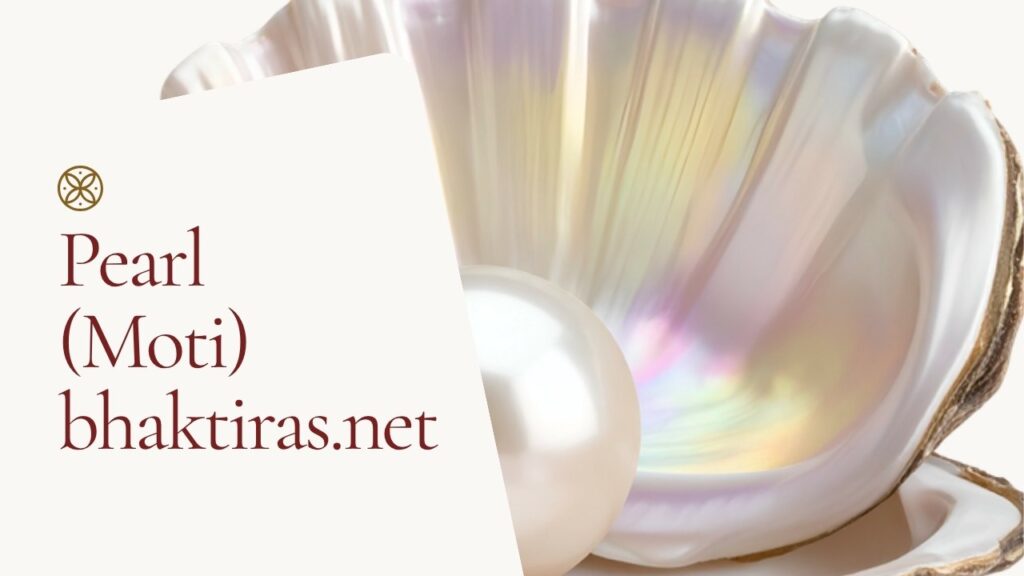
Pearl is the only gemstone in Vedic astrology grown inside a living creature rather than mined from rock, and that soft, organic origin is why it is prescribed for the mind and emotions rather than for money or status. It is the stone of the Moon, so it is recommended first to Cancer (Karka) ascendants, for whom the Moon rules the chart itself, and to anyone currently running a Moon mahadasha or antardasha.
Astrologers also suggest pearl when the Moon sits weak, combust, debilitated, or under heavy malefic aspect in the birth chart, since this is traditionally linked to anxiety, disturbed sleep, and a restless or overly reactive mind. It is not a stone to pick because you like the colour; it is chosen because a specific placement in your chart calls for it.
Because the same white lustre can be prescribed or withheld depending on where your Moon actually sits, have your ascendant, Moon sign, and current dasha checked properly before you buy.
Does Pearl suit your kundali? The answer is in your birth chart, not your sun sign. Check free in under a minute.
Check My GemstoneBenefits of Wearing Pearl
- Emotional steadiness: wearers report fewer mood swings and a calmer response to stress, since the Moon governs the mind in Vedic astrology.
- Better sleep: classical texts credit pearl with easing insomnia and restless nights linked to an agitated Moon.
- Mother and domestic harmony: traditionally associated with improved relationships with the mother and a more settled home life.
- Intuition and clarity: said to sharpen intuition and reduce the fog of overthinking or indecision.
- Fertility and nurturing instincts: classical texts also link a strong Moon to reproductive health and a more nurturing temperament.
How to Wear Pearl (Moti)
- Day and time: wear it for the first time on a Monday, ideally during the bright half (Shukla Paksha) morning, shortly after sunrise.
- Metal and finger: set in silver and worn on the little finger, the finger associated with the Moon.
- Weight: 4-6 ratti is the standard prescribed weight; an astrologer can fine-tune this for your specific chart.
- Purification: soak the pearl briefly in raw milk, then rinse with Gangajal before the first wearing, to cleanse it before it touches your skin.
- Mantra: chant “Om Som Somaya Namah” 108 times while holding the ring or pendant, ideally using a rudraksha or crystal mala.
- Replacement: pearl is soft (Mohs 2.5-4.5) and scratches or dulls with daily wear, so check its lustre every year or two and replace it once the surface looks worn or cloudy rather than waiting for it to crack.
Who Should Not Wear Pearl
Pearl is a gentle stone, but gentle is not the same as universally safe. Classical Vedic astrology holds that the Moon has no sworn enemy planets, only friends (Sun, Mercury) and neutrals, so pearl is rarely blamed for outright conflict the way coral or hessonite can be. Even so, most astrologers caution Leo and Scorpio ascendants against wearing it casually, since the Moon rules unfavourable houses for these charts and can add restlessness rather than calm if the placement is not checked first.
Avoid combining pearl with red coral (Mars) or gomed (Rahu) unless an astrologer has specifically confirmed both stones suit your chart together, since an afflicted Mars-Moon combination is traditionally linked to irritability and impulsive decisions rather than the calm pearl is meant to bring.
Follow the traditional trial custom where possible: wear the pearl for three to seven days before committing to it permanently, and stop if you notice disturbed sleep, unusual anxiety, or persistent headaches in that window.
Pearl Price in India
Pearl’s price swings more than almost any other gemstone because two pearls that look identical to the naked eye can come from completely different sources. A natural saltwater pearl, the Basra type prized in traditional Vedic astrology, is genuinely rare today and costs Rs 10,000 to Rs 1,00,000 or more per ratti. South Sea cultured pearls are the common middle ground at Rs 800 to Rs 5,000 per ratti, while freshwater cultured pearls cost far less but are considered to carry weaker astrological weight in traditional practice.
What actually moves the price within these ranges is lustre, roundness, surface cleanliness, and origin; a pearl with a mirror-like shine and no visible blemishes under a loupe commands the top of its bracket, while a dull or heavily marked one sits at the bottom even within the same category. Always ask for a gem lab certificate stating whether the pearl is natural or cultured, saltwater or freshwater, before paying natural-pearl prices for what may be a freshwater stone.
How to Identify a Real Pearl
- Loupe check: under 10x magnification, a genuine pearl shows fine, irregular growth ridges and slight surface imperfections; a glass or plastic imitation looks unnaturally smooth and uniform.
- Tooth test: gently rub the pearl against the edge of your front teeth; a real pearl feels slightly gritty or sandy, while glass and plastic feel perfectly smooth.
- Weight and cool touch: a genuine pearl feels a little heavier than plastic of the same size and stays cool against skin for longer.
- Hardness: pearl sits at just 2.5-4.5 on the Mohs scale, so it scratches easily with a fingernail-plus-effort or a metal edge, unlike hard glass simulants.
- Watch for common fakes: shell-based “Majorica” style beads, coated glass beads, and plastic imitations are all sold as pearl; freshwater cultured pearls are also sometimes passed off as rarer saltwater ones.
Given how large the price gap between a real Basra pearl and a coated glass bead can be, buy only with a gem testing lab certificate that states the pearl is natural or cultured, and its water source, before you pay astrological prices for it.
FAQs About Pearl
Who should wear Moti (Pearl)?
Pearl suits Cancer (Karka) ascendants, since the Moon rules their chart, and anyone running a Moon mahadasha or antardasha with a weak, combust, or afflicted Moon. It is prescribed for mental restlessness, poor sleep, or strained mother relationships. Confirm your Moon's actual placement with an astrologer before wearing it.
How does moti actually work and give results?
Vedic astrology holds that pearl channels calming Moon energy through the skin into the wearer's mind and emotions. Classical texts credit it with easing anxiety, improving sleep, and steadying mood over weeks of continuous wear, not overnight. Results are traditionally attributed, not medically guaranteed, and vary with the individual chart.
Which finger, metal and day should pearl be worn on?
Wear pearl set in silver on the little finger, the finger linked to the Moon. Start wearing it on a Monday morning, ideally in the bright lunar fortnight, after purifying it in raw milk and Gangajal and chanting Om Som Somaya Namah 108 times.
What weight of pearl should I wear, in ratti?
The standard prescription is 4 to 6 ratti, though an astrologer may adjust this slightly based on your chart's specific Moon strength. Buying a heavier stone does not automatically mean a stronger effect; a clean, natural pearl of the right weight matters more than size alone.
Which gemstones or planets should not be combined with pearl?
Avoid pairing pearl with red coral (Mars) or gomed (Rahu) unless an astrologer confirms both suit your chart together, since an afflicted Mars-Moon combination is linked to irritability rather than calm. Leo and Scorpio ascendants are usually cautioned to get their Moon checked carefully before wearing pearl at all.
How much does an original moti cost?
Natural saltwater Basra pearls cost Rs 10,000 to Rs 1,00,000 or more per ratti, South Sea cultured pearls run Rs 800 to Rs 5,000 per ratti, and freshwater cultured pearls cost less but carry weaker astrological weight. Always buy with a gem lab certificate confirming the pearl's origin.
Is there a substitute for pearl, like moonstone?
Moonstone is the traditional substitute for pearl, recommended when a natural pearl of the right quality is out of budget or unavailable. It is worn the same way, in silver on the little finger, though most astrologers still consider genuine pearl the stronger choice for a seriously afflicted Moon.