
Metemneo 2026 – The Yimchunger Naga Harvest Festival
When is Metemneo in 2026?
Metemneo is celebrated from 4 to 8 August 2026, with the main feast day on 8 August. It is the post-harvest thanksgiving festival of the Yimchunger (Yimkhiung) Naga tribe of Nagaland, held once the millet and paddy are safely gathered in.
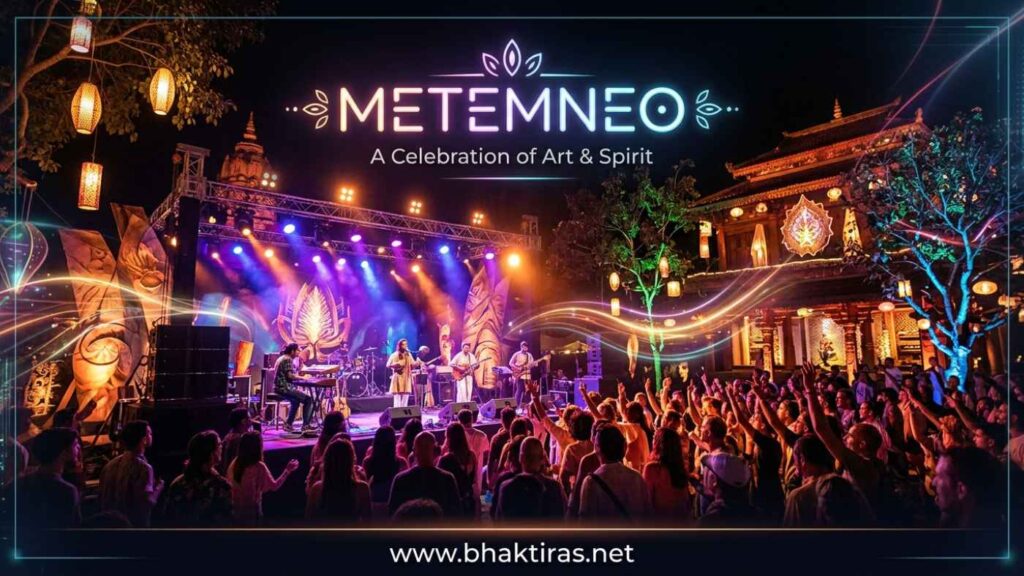
Metemneo is the harvest thanksgiving festival of the Yimchunger (Yimkhiung) Naga, a tribe of the eastern Nagaland hills around Shamator and Kiphire. Held over about five days in the first week of August, once the millet and paddy have been carried home, it is a stretch of feasting, singing and setting things right. Families mend their houses and grain stores, brew rice beer, share smoked meat, forgive old quarrels, arrange marriages and remember those who have died – closing one farming year cleanly before the next begins.
Metemneo 2026-2028: Dates & Calendar
Metemneo is next observed from 4 to 8 August 2026, with the principal feast on 8 August. The Yimchunger community keeps it to a fixed early-August window each year rather than to a shifting lunar date.
| Year | Dates | Main day | Notes |
|---|---|---|---|
| 2025 | 4-8 August | 8 August | Observed after the millet harvest |
| 2026 | 4-8 August | 8 August | Next occurrence (approx.) |
| 2027 | 4-8 August | 8 August | Same early-August window (approx.) |
The festival unfolds across named days – commonly Shito, Zhinto, Zumto, Khehresuk and Sheresuk – beginning with the cleaning of homes, streets and the village, and building towards the communal feast.
Why Metemneo Is Celebrated
Metemneo is celebrated as a harvest thanksgiving: a way for the Yimchunger to mark gratitude for the year’s crop, restore harmony in the village and honour the dead before a new farming cycle opens.
Thanks for the harvest
The festival falls only after the millet and paddy are gathered and the granaries are full. With the hardest field work behind them, families set aside these days to give thanks for a safe crop and to rest before the next season’s clearing and sowing begins.
Forgiveness and renewal
A defining feature of Metemneo is the settling of disputes. Neighbours who have fallen out are expected to talk, forgive and clear their debts and grievances, so the community steps into the new year with nothing left festering between its households.
Remembering the departed
The days carry a solemn thread of remembrance. Prayers and observances honour family members who have died in the past year, tying the living generation to its ancestors and to the continuity of the clan.
Binding the community
Shared meat, rice beer and long hours of song and dance in traditional dress renew the bonds of the village. Marriages are arranged, young people are drawn into community life, and the tribe reaffirms who it is.
Key Rituals, Step by Step
Metemneo runs across roughly five named days, each with its own emphasis, moving from cleaning and preparation to feasting, reconciliation and remembrance.
- Cleaning the village. The opening day, known as Shito, begins with households cleaning their homes and courtyards and villagers clearing the streets and pathways together – a fresh, tidy start to the festival.
- Repairing homes and granaries. Families mend roofs, fences and the grain stores that now hold the harvest, putting the household in order before the celebrations proper.
- Brewing rice beer. Rice beer is prepared in quantity ahead of the feasting days, to be shared with kin, neighbours and visitors.
- Preparing the feast. Pigs and other livestock are slaughtered and portions of meat shared among households; millet and rice are cooked into festive dishes for the communal table.
- Settling disputes. Community members meet to forgive one another, resolve quarrels and clear outstanding debts, so the tribe enters the new cycle in peace.
- Arranging marriages. The gathering is a natural time for families to discuss and arrange marriages, drawing young people together within the community.
- Honouring the departed. Prayers and observances remember those who have died, linking the celebration of the harvest to the memory of ancestors.
- Singing and dancing. Folk songs and group dances in traditional Yimchunger dress carry through the days, closing the festival on a note of shared gratitude and joy.
Special Foods of Metemneo
The Metemneo table is built on the harvest itself – millet and rice – alongside generous portions of meat shared across the village.
Smoked pork with bamboo shoot
Large portions of smoked pork simmered with fermented bamboo shoot and local chillies are a centrepiece of the communal feast, cooked in quantity and shared among households.
Millet dishes
The freshly gathered millet, whose harvest the festival marks, is prepared into porridges and other dishes that put the year’s staple crop at the heart of the meal.
Rice preparations
Rice from the new paddy is cooked into festive dishes for the feasting days, complementing the meat and millet on the shared table.
Rice beer
Home-brewed rice beer is prepared ahead of the festival and offered freely to kin, neighbours and guests, a customary part of Naga hospitality during the celebration.
Metemneo Do's and Don'ts
A short guide for taking part in or visiting the festival respectfully.
Do
- Join in the cleaning of homes and streets that opens the festival
- Make peace and clear old quarrels before the feasting begins
- Share food and rice beer generously with neighbours and guests
- Remember and honour departed family members
- Wear or respect traditional Yimchunger dress during songs and dances
Avoid
- Don’t carry unsettled grudges or disputes into the new cycle
- Don’t treat it as only a food festival – it is also solemn remembrance
- Don’t photograph rituals or people without asking first
- Don’t waste the shared harvest food and drink
- Don’t confuse it with other Naga harvest festivals – it is specifically Yimchunger
Frequently Asked Questions
When is Metemneo in 2026?
Metemneo is celebrated from 4 to 8 August 2026, with the main feast day on 8 August. These dates are approximate and follow the Yimchunger community’s fixed early-August window rather than a shifting lunar calendar.
What is the Metemneo festival?
Metemneo is the post-harvest thanksgiving festival of the Yimchunger (Yimkhiung) Naga tribe of Nagaland. Held over about five days once the millet and paddy are gathered, it combines feasting, folk song and dance with forgiveness, the arranging of marriages and remembrance of the dead.
Which tribe celebrates Metemneo?
Metemneo is celebrated by the Yimchunger, also spelled Yimkhiung, Naga tribe. They live mainly in the eastern hills of Nagaland, around the Shamator and Kiphire districts.
Why is Metemneo celebrated?
Metemneo is celebrated to give thanks for the year’s millet and paddy harvest and to renew the community. It is a time to repair homes and granaries, settle disputes and forgive one another, arrange marriages and honour departed ancestors before the next farming year.
How long does Metemneo last?
Metemneo lasts about five days, commonly running from 4 to 8 August with the main feast on the final day. The days are given traditional names such as Shito, Zhinto, Zumto, Khehresuk and Sheresuk, each with its own focus.
What food is eaten during Metemneo?
During Metemneo, households share smoked pork cooked with bamboo shoot and local chillies, along with dishes made from the freshly harvested millet and rice. Home-brewed rice beer is offered to kin, neighbours and guests throughout the feasting days.
Where is Metemneo celebrated?
Metemneo is celebrated in Nagaland in northeast India, chiefly in the Yimchunger areas of the Shamator and Kiphire districts. Yimchunger communities living elsewhere, such as in Kohima, also mark the festival.
Is Metemneo the same as other Naga harvest festivals?
No, Metemneo is specific to the Yimchunger Naga, though it shares the harvest-thanksgiving theme common to many Naga festivals. It is distinct from the Sumi Naga’s Tuluni and the Lotha Naga’s Tokhu Emong, each of which belongs to its own tribe.
Metemneo is a quiet, generous close to the Yimchunger farming year – a week of clean homes, shared meat, forgiven quarrels and remembered ancestors. To the Yimchunger community, a joyful and peaceful Metemneo.