
Earth Day 2027 – The World's Biggest Day for the Planet
When is Earth Day in 2027?
Earth Day falls on Thursday, 22 April 2027. It is a fixed-date observance held every 22 April since 1970, when hundreds of millions of people worldwide take action for the environment – planting trees, cleaning up parks and rivers, and pledging to cut waste, save water and reduce pollution.
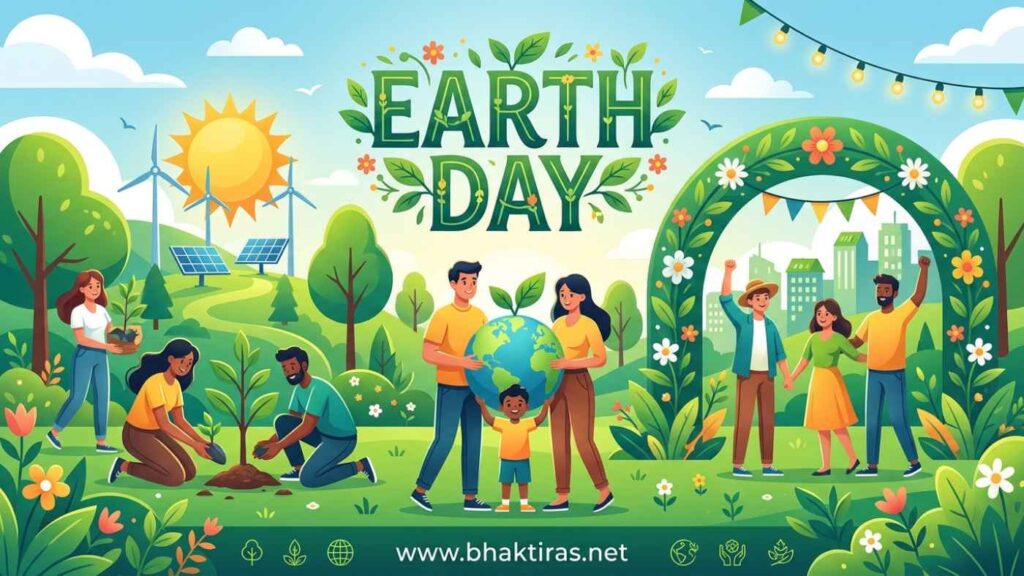
Earth Day is the world’s largest environmental observance, marked on the same date, 22 April, every single year. It began in the United States in 1970 and has grown into a global movement in which hundreds of millions of people plant trees, clean up their streets and shorelines, and rethink how they use water, energy and plastic. In India the day sits comfortably beside an older reverence for nature – for the rivers, the peepal and tulsi, and the five elements – and it invites everyone to live a little more gently with the Earth.
Earth Day 2026-2028: Dates & Calendar
Earth Day is a fixed-date observance: it is always held on 22 April, so unlike lunar Hindu festivals its date never moves. The next Earth Day is on Thursday, 22 April 2027.
| Year | Date | Day | Notes |
|---|---|---|---|
| 2026 | 22 April | Wednesday | Already passed this year |
| 2027 | 22 April | Thursday | Next occurrence |
| 2028 | 22 April | Saturday | Same date, fixed each year |
Because the date is fixed, schools, offices and civic groups can plan tree-planting drives and clean-ups well in advance. Many extend the day into a full ‘Earth Week’ of activities around 22 April.
Why Earth Day Matters
Earth Day matters because it turns concern for the planet into a single shared day of action, reminding billions of people that the air, water, soil and forests we depend on need looking after.
How it began in 1970
The first Earth Day was held on 22 April 1970, after a US senator, Gaylord Nelson, called for a national teach-in on the environment following a major oil spill off the California coast. About 20 million Americans took part, and the wave of public feeling helped bring in landmark clean air and clean water laws. It went global in 1990 and now reaches more than 190 countries.
Why it still matters
More than half a century on, the concerns have grown – climate change, plastic in the oceans, vanishing forests and dirty air in many cities. Earth Day gives these worries a focus and a deadline, nudging governments, companies and ordinary families to make real commitments rather than vague good intentions.
A day of doing, not just talking
What sets Earth Day apart is that it is built around action. A planted sapling, a cleaned riverbank, a switched-off tap or a refused plastic bag are small acts, but repeated by millions on the same day they add up, and they build habits that outlast 22 April.
In tune with Indian tradition
For India, caring for nature is not a new idea. Rivers are honoured as mothers, the peepal and tulsi are treated as sacred, and the panch mahabhuta – earth, water, fire, air and space – are seen as the fabric of life. Earth Day gives this old respect a modern, practical shape.
How Earth Day Is Observed
Earth Day has no set religious ritual; instead it is marked by hands-on activities that anyone can join. Here are the most common ways people take part.
- Plant a tree or a garden. Tree-planting drives are the signature Earth Day activity. Families, schools and housing societies plant native saplings, start a balcony herb pot, or nurture a tulsi plant at home.
- Join a clean-up. Volunteers gather to clear litter from parks, beaches, riverbanks and neighbourhood streets, giving special attention to plastic that would otherwise choke drains and waterways.
- Take a green pledge. Many people make a specific promise for the year – to cut single-use plastic, save water, carry a cloth bag, or switch to public transport – written down so it is easy to keep.
- Run school and community projects. Children make posters, plant seeds in class, and learn about recycling and composting, while resident groups hold awareness walks and talks.
- Save energy and water at home. Households switch off idle lights and appliances, fix leaking taps, and try simple habits like rainwater harvesting or segregating wet and dry waste.
- Choose to reduce, reuse and recycle. People clear out and donate old items, repair rather than replace, and set up separate bins for paper, plastic and kitchen waste.
- Support a river or a cause. Some mark the day by joining a river-cleaning group, adopting a patch of green, or giving to an environmental effort they care about.
Everyday Green Habits: Do's and Don'ts
Earth Day is most useful when its habits carry on through the year – here are simple green do’s and don’ts to keep.
Do
- Carry a cloth or jute bag and a refillable water bottle wherever you go.
- Segregate waste at home into wet, dry and recyclable, and compost kitchen scraps.
- Save water – fix dripping taps, reuse RO waste water for plants, and harvest rainwater.
- Plant and care for native trees, and keep a tulsi or a few pots at home.
- Switch off lights, fans and chargers when not in use, and use public transport or cycle for short trips.
Avoid
- Do not use single-use plastic bags, cutlery, straws or thin polythene.
- Avoid littering parks, beaches and riverbanks, and never dump waste into drains or rivers.
- Do not leave taps running or waste drinking water.
- Avoid burning leaves, plastic or garbage, which pollutes the air you breathe.
- Do not buy saplings only for a photo – plant them and water them so they survive.
Frequently Asked Questions
When is Earth Day in 2027?
Earth Day in 2027 falls on Thursday, 22 April. It is a fixed-date observance held on 22 April every year, so the date does not change – only the weekday does.
When is Earth Day in 2026 and 2028?
Earth Day was on Wednesday, 22 April 2026, and will fall on Saturday, 22 April 2028. Because it is always on 22 April, the date stays the same each year and only the day of the week differs.
Why is Earth Day celebrated?
Earth Day is celebrated to focus the world’s attention on protecting the environment and to turn that concern into action on a single shared day. Since 1970 people have used it to plant trees, clean up their surroundings and pledge to cut pollution and waste.
How did Earth Day start?
Earth Day started in the United States on 22 April 1970, when US senator Gaylord Nelson organised a national environmental teach-in after a large oil spill off California. About 20 million people took part, and it went global in 1990, now reaching over 190 countries.
How can I take part in Earth Day?
You can take part in Earth Day by planting a native tree, joining a local clean-up of a park, beach or riverbank, and making a green pledge such as giving up single-use plastic or saving water. Even small home habits like segregating waste and switching off idle appliances count.
Is Earth Day the same as World Environment Day?
No, they are two different days. Earth Day is on 22 April and began in 1970, while World Environment Day is on 5 June and is led by the United Nations. Both promote care for the environment, but they have separate histories and dates.
How is Earth Day observed in India?
In India, Earth Day is observed with tree-planting drives, clean-up campaigns, school projects and awareness walks. It blends naturally with the Indian tradition of honouring rivers, sacred trees like the peepal and tulsi, and the five elements, encouraging people to live more gently with the Earth.
What is the theme of Earth Day?
Earth Day has a fresh theme each year set by the organisers, focusing on a pressing issue such as ending plastic pollution, restoring nature or climate action. The theme guides that year’s global campaigns, but the core aim – taking action for the planet – stays the same.
This Earth Day, plant one tree, refuse one plastic bag, and treat the Earth as the mother she has always been.