
ॐ
Antpur Radha Govinda Temple
Radha Govinda (Krishna) • Antpur, Hooghly, West Bengal
॥ ॐ नमो भगवते वासुदेवाय ॥
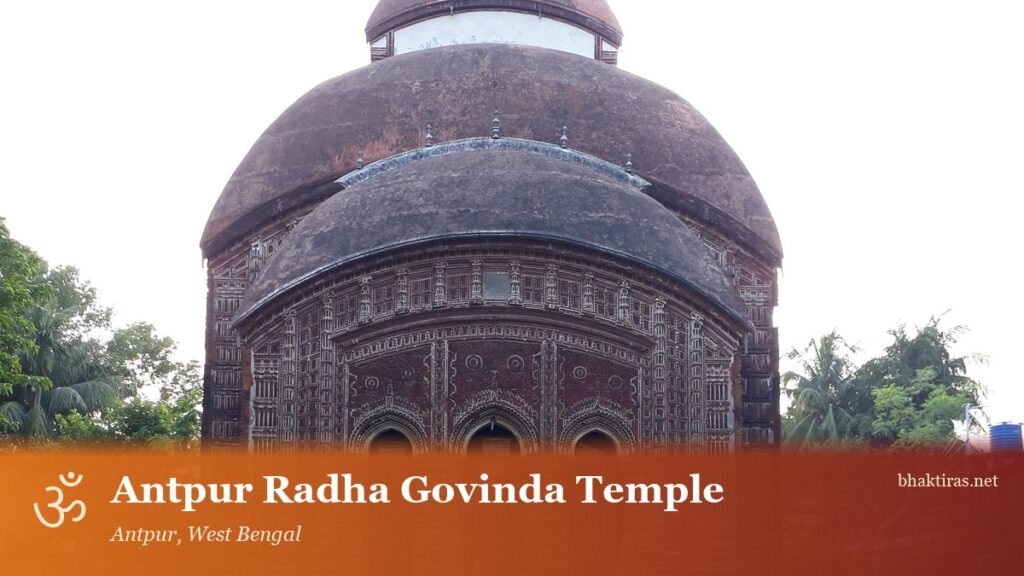
The Radha Govinda Temple at Antpur is a tall brick shrine in Hooghly district, built in 1786 by Krishnaram Mitra, who served as Dewan to the Burdwan Raj. Its outer walls carry some of the finest terracotta work in Bengal, while the village itself holds a separate place in modern history as the spot where Swami Vivekananda and eight of his brother-disciples took monastic vows.
Significance and the Antpur Vows
The temple is dedicated to Radha and Krishna in their joined form of Radha Govinda, worshipped here as the presiding couple of the Mitra family’s estate. For Vaishnavas of southern Bengal it remains an active centre of daily seva, and the deity is taken out during seasonal observances tied to the Krishna calendar.
Antpur is equally remembered for an event on Christmas Eve of 1886, when Narendranath Datta—later Swami Vivekananda—and eight companions kept a night-long fire and resolved to renounce the world. That gathering is regarded as the seed of the monastic order that became the Ramakrishna Math, and pilgrims often visit both the temple and the nearby Math site together.
Terracotta Art and Architecture
Built in the ek-ratna style, the temple rises as a single squarish tower crowned by one ornamental pinnacle, a form Bengal favoured when stone was scarce and fired clay was plentiful. The plastered brick body gives the panels their warm reddish tone.
Every accessible surface is covered with moulded terracotta plaques. The scenes range across episodes from the Ramayana and the play of Krishna to everyday Bengal life—boats, hunters, musicians and processions—so the walls read almost like an illustrated chronicle of the late eighteenth century.
- Single tower ek-ratna plan with one crowning pinnacle
- Ramayana and Krishna-lila narrative panels
- Genre scenes of boats, hunters and village musicians
Visiting and Darshan
The temple sits within Antpur village and is open to visitors through the day, with the inner worship following the household routine of morning and evening offerings. Modest dress is expected, and footwear is removed before stepping onto the plinth.
Most travellers reach Antpur from Tarakeswar or Haripal by road, often pairing the visit with the Math ground a short walk away. Early morning light falls well on the carved eastern face, which is the best time for those who want to study the panels closely.
Conservation of the Carvings
Because terracotta erodes faster than stone, several plaques have softened over more than two centuries of monsoon weather, and conservators have worked in phases to stabilise the worst-affected faces. Visitors are asked not to touch the relief work.
The temple is among the cluster of protected Bengal terracotta monuments that draw students of folk art and architecture, and its survival owes much to continued local worship that has kept the structure in regular use rather than abandonment.
Frequently Asked Questions
Who built the Antpur Radha Govinda Temple?
The temple was built in 1786 by Krishnaram Mitra, who served as Dewan (chief revenue officer) to the Burdwan Raj. It was raised as the family shrine of the Mitra household at Antpur and dedicated to Radha and Krishna.
Why is Antpur important to the Ramakrishna movement?
Antpur is where Swami Vivekananda and eight brother-disciples took their monastic vows on Christmas Eve in 1886. That night of resolve is treated as a founding moment of the order that grew into the Ramakrishna Math, and the village is now a pilgrimage point for its followers.
What makes the temple architecturally notable?
It is a tall ek-ratna brick temple—a single tower with one crowning pinnacle—covered in detailed Bengal terracotta. The panels depict Ramayana episodes, Krishna-lila and scenes of everyday life, making it one of Hooghly’s richest examples of clay relief work.
Where is the Antpur Radha Govinda Temple located?
It stands in Antpur village in Hooghly district, West Bengal. The site is usually reached by road from Tarakeswar or Haripal, and lies close to the Math ground associated with the 1886 monastic vows.
Is the temple open to visitors?
Yes, the temple is open to visitors through the day, with worship following morning and evening offering times. Footwear is removed at the plinth and modest dress is expected, as it remains an active place of daily Vaishnava worship.
What deity is worshipped at the temple?
The presiding deity is Radha Govinda, the joined form of Radha and Krishna. The temple is a Vaishnava shrine, and the pairing reflects the devotional focus on Krishna together with his consort Radha.
॥ राधे राधे ॥ • Bhaktiras.net Temple Guide
| Primary Deity | Radha Govinda (Krishna) |
| Location | Antpur, Hooghly |
| State | West Bengal |
| Built | 1786 |
| Built By | Krishnaram Mitra, Dewan of Burdwan Raj |
| Architecture | Ek-ratna brick with terracotta panels |
| Also Known For | 1886 monastic vows of Swami Vivekananda |
| District | Hooghly |
Related Temples
Explore more sacred temples connected by deity and region.
 KrishnaISKCON Mayapur (Temple of the Vedic Planetarium)📍 West Bengal
 KrishnaJaydev Kenduli Temple (Joydev)📍 West Bengal
 KrishnaJor Bangla Temple, Bishnupur📍 West Bengal
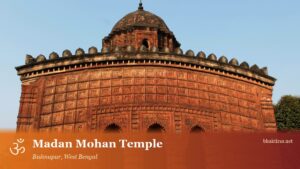 KrishnaMadan Mohan Temple, Bishnupur📍 West Bengal
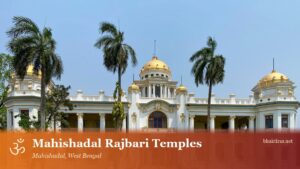 KrishnaMahishadal Rajbari Temples📍 West Bengal
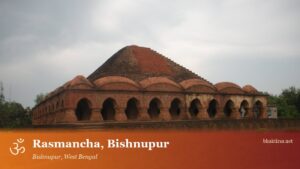 KrishnaRasmancha, Bishnupur📍 West Bengal