
ॐ
Thayumanavar Temple, Rockfort
Shiva (Thayumanavar) • Tiruchirappalli, Tamil Nadu
॥ ॐ नमः शिवाय ॥
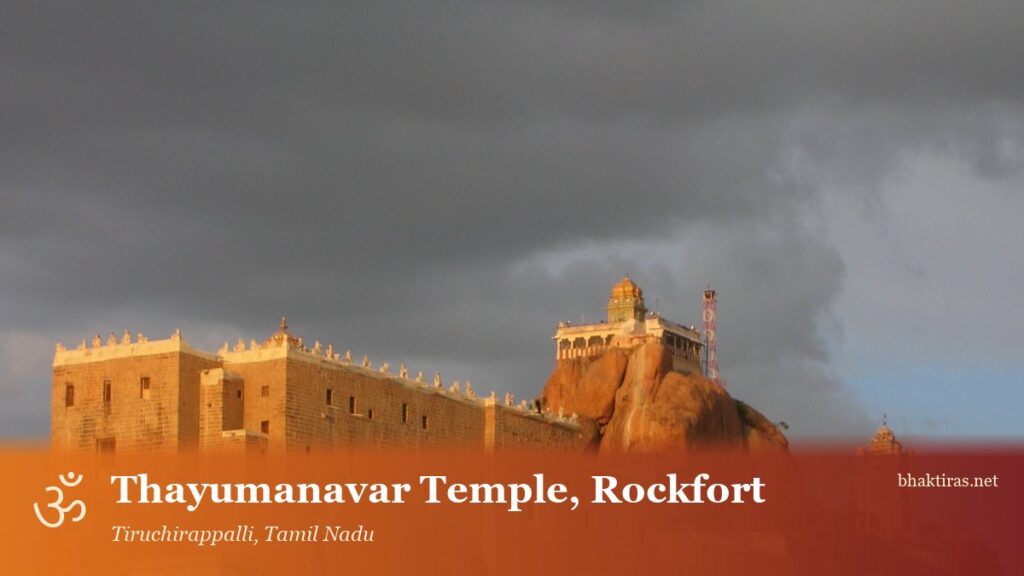
Cut into the great Rockfort that rises over Tiruchirappalli, the Thayumanavar temple worships Shiva under a name that means ‘he who became a mother’. A long rock-cut stairway climbs past Pallava-era cave shrines to the sanctum, while the Cauvery winds across the plain below.
Shiva who became a mother
The temple’s name carries its central legend. A devotee was about to give birth and her mother could not reach her in time because the river was in flood; Shiva is said to have taken the mother’s form to attend her until help arrived. From that act he is called Thayumanavar, the lord who became a mother.
The story gives the shrine an unusually tender register among Shaiva temples, and the name is repeated in Tamil devotional verse and song.
Carved into the Rockfort
The Rockfort, known locally as Malaikottai, is a steep mass of ancient rock that dominates the city. The Thayumanavar shrine is set into this rock, reached by a stairway hewn through the stone, so that the climb itself becomes part of the pilgrimage.
Along the ascent are cave shrines dating from the Pallava period, their pillars and carvings marking an early phase of rock-cut temple building in the south.
The shrines on the rock
Above the Shiva temple, at the very summit, stands the Uchi Pillaiyar shrine dedicated to Ganesha, one of the most recognised landmarks of Tiruchirappalli. The two shrines together define the religious skyline of the city.
From the upper levels the view opens across the Cauvery and the temple-town of Srirangam beyond, linking this hill-top Shiva worship to the wider sacred geography of the river.
- Shiva as Thayumanavar within the Rockfort
- Uchi Pillaiyar (Ganesha) shrine at the summit
- Pallava-era rock-cut cave shrines on the climb
- Cauvery river flowing below the hill
The climb and the river
Pilgrims and visitors make the ascent on foot, pausing at the cave shrines before reaching the Thayumanavar sanctum and continuing, if they wish, to the Ganesha shrine at the top.
The presence of the Cauvery at the foot of the rock ties the temple into the river worship of the Tiruchirappalli region, and the climb is best made in the cooler hours of the day.
Frequently Asked Questions
What does the name Thayumanavar mean?
Thayumanavar means ‘he who became a mother’. The name comes from a legend in which Shiva took a mother’s form to help a devotee through childbirth when the real mother could not cross a flooded river in time.
Where is the Thayumanavar temple located?
It is carved into the Rockfort, or Malaikottai, in the heart of Tiruchirappalli in Tamil Nadu. The Cauvery river flows below the hill on which the temple stands.
What is the Uchi Pillaiyar temple and how is it related?
The Uchi Pillaiyar temple is a Ganesha shrine at the very summit of the Rockfort, above the Thayumanavar Shiva temple. The two shrines together form the well-known skyline of Tiruchirappalli.
How do you reach the Thayumanavar shrine?
A long stairway cut into the rock leads up to the sanctum and onward to the summit. The climb passes Pallava-era cave shrines along the way.
Are there older cave shrines on the Rockfort?
Yes. The ascent passes rock-cut cave shrines from the Pallava period, an early phase of southern temple architecture, before reaching the Thayumanavar sanctum.
Which deity is worshipped at the Thayumanavar temple?
The presiding deity is Shiva, worshipped here as Thayumanavar. A separate Ganesha shrine, Uchi Pillaiyar, crowns the top of the same rock.
॥ हर हर महादेव ॥ • Bhaktiras.net Temple Guide
| Primary Deity | Shiva (Thayumanavar) |
| Meaning of Name | He who became a mother |
| Location | Rockfort, Tiruchirappalli |
| Setting | Carved into Malaikottai rock |
| Summit Shrine | Uchi Pillaiyar (Ganesha) |
| River | Cauvery, below the hill |
| Early Shrines | Pallava-era rock-cut caves |
| Access | Rock-cut stairway |
Related Temples
Explore more sacred temples connected by deity and region.
 ShivaAiravatesvara Temple, Darasuram📍 Tamil Nadu
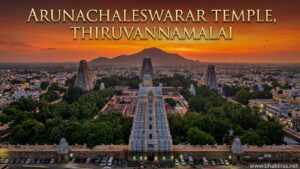 ShivaArunachaleswarar Temple, Thiruvannamalai📍 Tamil Nadu
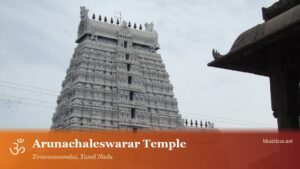 ShivaArunachaleswarar Temple, Tiruvannamalai📍 Tamil Nadu
 ShivaBrihadeeswara Temple, Thanjavur📍 Tamil Nadu
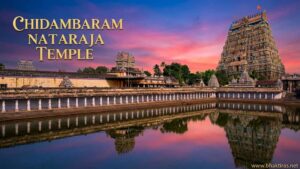 ShivaChidambaram Nataraja Temple📍 Tamil Nadu
 ShivaEkambareswarar Temple, Kanchipuram📍 Tamil Nadu