
ॐ
Yogmaya Temple, Mehrauli, Delhi
Yogmaya (Yoganidra / Mahamaya) • Mehrauli, New Delhi, Delhi
॥ ॐ दुं दुर्गायै नमः ॥
The Yogmaya Temple at Mehrauli is dedicated to the goddess Yogmaya, also known as Yoganidra or Mahamaya, whom tradition names as the sister of Krishna. Beside the Qutb complex in old Delhi, it is counted among the few temples in the city believed to predate the Sultanate period, and it remains a living place of worship.
The Goddess Yogmaya
Yogmaya is worshipped here as Yoganidra and Mahamaya, the divine feminine power associated with the cosmic sleep of Vishnu. In the temple she is venerated in the form of a black-stone pindi rather than a sculpted idol, a simple aniconic form before which devotees place their prayers.
Her story is bound to the legend of Krishna. In tradition she is the infant girl who slipped from Kansa’s grasp when he tried to dash her against a stone, rising into the air to foretell the tyrant’s coming end. That episode gives the goddess her place as a protector and as the sister of Krishna.
An Ancient Shrine of Delhi
The Yogmaya Temple is among the oldest surviving places of worship in Delhi, with traditions holding that the shrine existed before the rise of the Sultanate. That long memory makes it a rare thread of continuity in a city rebuilt many times over.
It sits at Mehrauli, immediately beside the Qutb complex, where ancient and medieval Delhi meet. The closeness of temple and monument places the goddess at one of the historic cores of the capital.
Worship and the Pindi
Inside the sanctum the goddess is honoured as a black-stone form, draped and adorned by her attendants, with lamps, flowers and offerings presented through the day. The aniconic pindi keeps the focus on the divine presence rather than on a carved likeness.
Daily worship draws a steady flow of devotees from across Delhi, and the temple is especially busy during Navaratri, when the goddess in her many forms is honoured across the city.
Phoolwalon-ki-Sair
The temple is closely tied to the Phoolwalon-ki-Sair, the flower-sellers’ procession, a celebrated festival of Delhi’s shared culture. Floral offerings are carried both to the Yogmaya Temple and to the nearby dargah of Khwaja Bakhtiyar Kaki, binding the two shrines in a single observance.
This joint celebration expresses the syncretic spirit of Mehrauli, where Hindu and Muslim communities have long taken part in one another’s festivals. For the Yogmaya Temple it is a season of particular colour and gathering.
Frequently Asked Questions
Who is the goddess Yogmaya?
Yogmaya, also called Yoganidra or Mahamaya, is the goddess worshipped at the Mehrauli temple and is described in tradition as the sister of Krishna. She is the infant girl who, in the Krishna legend, slipped from Kansa’s grasp and foretold his end.
Where is the Yogmaya Temple located?
The temple is at Mehrauli in New Delhi, immediately beside the Qutb complex. It stands in one of the historic cores of the city where ancient and medieval Delhi meet.
How old is the Yogmaya Temple?
It is counted among the oldest places of worship in Delhi, with traditions holding that the shrine predates the Sultanate. It is one of the few temples in the city believed to date from before that period.
How is the goddess worshipped in the temple?
The goddess is venerated in the form of a black-stone pindi rather than a sculpted idol. Daily worship includes lamps, flowers and offerings, and the temple is especially busy during Navaratri.
What is the Phoolwalon-ki-Sair?
Phoolwalon-ki-Sair is the flower-sellers’ procession of Delhi, in which floral offerings are carried to the Yogmaya Temple and the nearby dargah of Khwaja Bakhtiyar Kaki. It is a syncretic festival celebrated jointly by the two communities of Mehrauli.
Why is the temple connected to Krishna?
Yogmaya is regarded in tradition as the sister of Krishna. She is the infant who escaped Kansa and announced his downfall, which links the Mehrauli shrine directly to the Krishna story.
॥ जय माता दी ॥ • Bhaktiras.net Temple Guide
| Primary Deity | Yogmaya (Yoganidra / Mahamaya) |
| Location | Mehrauli, New Delhi |
| Tradition | Shaktism |
| Sacred Form | Black-stone pindi |
| Relation | Sister of Krishna (tradition) |
| Nearby | Qutb complex |
| Festival | Phoolwalon-ki-Sair; Navaratri |
| Significance | Among Delhi’s oldest temples |
Related Temples
Explore more sacred temples connected by deity and region.
 SwaminarayanAkshardham Temple, Delhi📍 Delhi
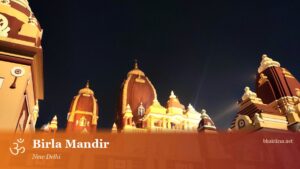 VishnuBirla Mandir (Laxminarayan Temple), Delhi📍 Delhi
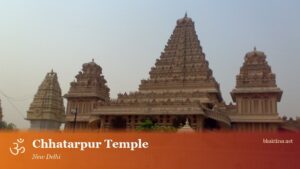 DurgaChhatarpur Temple (Adya Katyayani Shakti Peeth), Delhi📍 Delhi
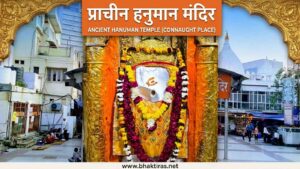 HanumanHanuman Mandir, Connaught Place, New Delhi📍 DelhiॐKrishnaISKCON Temple Delhi (Sri Radha Parthasarathi Mandir)📍 DelhiॐKaliKalkaji Temple, New Delhi📍 Delhi