
ॐ
Bhojeshwar Temple, Bhojpur
Shiva • Bhojpur, Madhya Pradesh
॥ ॐ नमः शिवाय ॥
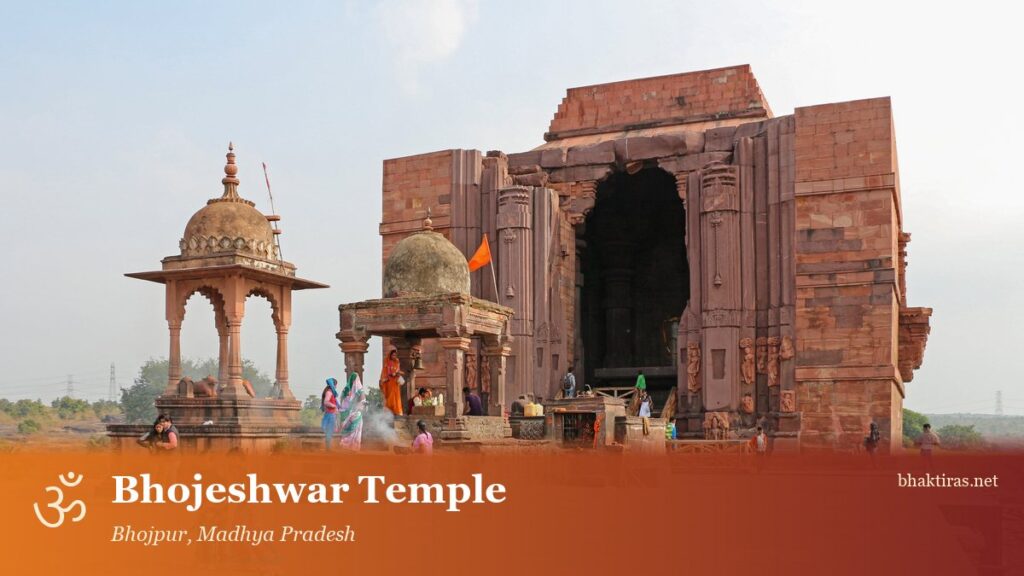
The Bhojeshwar Temple at Bhojpur, begun by the Paramara king Bhoja in the 11th century, was left unfinished yet still shelters one of the largest single-stone Shiva lingas in India. On the rock around it survive the engraved drawings and earthen ramp of its medieval builders, a rare window into how such temples were planned and raised.
King Bhoja’s temple on the Betwa
Bhojpur lies on the Betwa river in Raisen district, and the temple takes its name from the scholar-king Bhoja of the Paramara dynasty, who began it in the 11th century. Bhoja was famed for learning and patronage, and the temple was meant to crown a wider scheme of dams and waterworks in the area.
For reasons now lost the work stopped before completion. The single great hall stands roofless in places, and parts of the planned structure were never carried up, leaving the temple frozen at an early stage of its building.
A colossal linga
At the heart of the temple stands a Shiva linga of remarkable size, cut from stone and rising about 2.3 metres on a massive platform. Few lingas in India approach it in scale, and its presence dominates the open hall around it.
The pillars and doorway that survive are carved with restraint and great precision, hinting at how grand the finished temple would have been. Even incomplete, the proportions convey the ambition behind Bhoja’s plan.
A medieval building site preserved
What sets Bhojpur apart is the survival of its construction evidence. A long earthen ramp, used to haul dressed stone up to the rising temple, still leans against the structure where the builders left it.
On the surrounding rock are engraved architectural drawings — plans of mouldings, pillars and the temple itself — scratched out by the masons as working guides. Together they form one of the clearest surviving records of how a large temple was designed and built in medieval India.
The Somnath of the East
The temple is sometimes called the Somnath of the East, a measure of the regard in which its great linga and Shaiva standing are held. Worship continues at the shrine, and the site draws both pilgrims and those curious about its unfinished state.
Now protected by the Archaeological Survey of India, Bhojpur is cared for as a monument as well as a living temple. Its mix of devotion and visible building history makes it unlike most Shiva temples of its age.
Frequently Asked Questions
What is the Bhojeshwar Temple known for?
The Bhojeshwar Temple is known for housing one of the largest single-stone Shiva lingas in India, about 2.3 metres tall. It is an 11th-century temple at Bhojpur that was deliberately left unfinished, with its building evidence preserved.
Who built the Bhojeshwar Temple?
The temple was begun by the Paramara king Bhoja in the 11th century, which gives it its name. Bhoja was a scholar-king known for learning and patronage, and the temple was part of a wider scheme on the Betwa river.
Why is the Bhojeshwar Temple unfinished?
The temple was left incomplete for reasons that are no longer known. Construction stopped before the structure was finished, leaving parts roofless and an earthen building ramp still in place against the temple.
How big is the Shiva linga at Bhojpur?
The Shiva linga at Bhojpur stands about 2.3 metres tall on a massive stone platform. It is one of the largest single-stone lingas in India and dominates the open hall of the temple.
What makes the Bhojpur construction evidence special?
The earthen ramp used to haul stone and the architects’ engraved drawings on the surrounding rock both survive at Bhojpur. Together they form a rare record of how a large temple was planned and built in medieval India.
Why is Bhojeshwar called the Somnath of the East?
Bhojeshwar is sometimes called the Somnath of the East because of its great Shiva linga and its standing as a major Shaiva temple. The name reflects the regard in which the shrine is held.
॥ हर हर महादेव ॥ • Bhaktiras.net Temple Guide
| Deity | Shiva (Bhojeshwar) |
| Built | 11th century |
| Patron | Paramara king Bhoja |
| Linga height | About 2.3 m, single stone |
| State | Left deliberately unfinished |
| Preserved | Construction ramp and engraved drawings |
| Epithet | Somnath of the East |
| Protection | ASI-protected monument |
| Location | Bhojpur, Raisen, Madhya Pradesh |
Related Temples
Explore more sacred temples connected by deity and region.
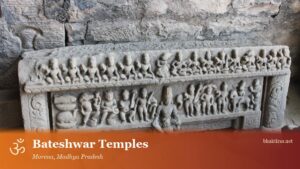 ShivaBateshwar Temples, Morena📍 Madhya Pradesh
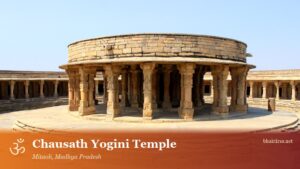 ShivaChausath Yogini Temple, Mitaoli📍 Madhya PradeshॐShivaJwaleshwar Temple, Amarkantak📍 Madhya Pradesh
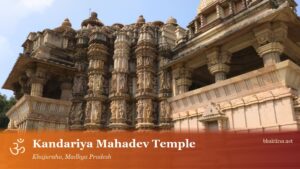 ShivaKandariya Mahadev Temple, Khajuraho📍 Madhya Pradesh
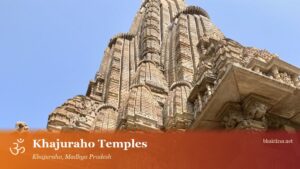 ShivaKhajuraho Temples — Complete Guide📍 Madhya Pradesh
 ShivaMahakaleshwar Temple📍 Madhya Pradesh