
ॐ
Ashtabhuja Devi Temple, Mirzapur
Ashtabhuja Devi • Vindhyachal, Mirzapur, Uttar Pradesh
॥ ॐ दुं दुर्गायै नमः ॥
The Ashtabhuja Devi Temple stands on a hill at Vindhyachal near Mirzapur, where the eight-armed goddess is worshipped as a form of the Devi’s Mahasaraswati energy. It is one of the three corners of the Vindhyachal Trikona Parikrama, the circuit pilgrims complete to receive the full grace of the Vindhya goddess.
The eight-armed goddess
Ashtabhuja means eight-armed, and the goddess here is shown with her many arms bearing the weapons and emblems of divine power. She is associated with the Mahasaraswati and Mahalakshmi energies of the Devi, the forms that grant wisdom and well-being.
Set on a hilltop, the shrine overlooks the Ganga plain below, giving darshan of the goddess a wide and open prospect that pilgrims long remember.
The Vindhyachal Trikona Parikrama
Ashtabhuja is one of three points of the Trikona Parikrama, the triangular circuit of Vindhyachal that joins it with the Vindhyavasini temple and the Kali Khoh shrine. Pilgrims walk between the three to honour the goddess in her complementary forms.
Completing all three shrines in a single circuit is held to bring the full blessing of the Vindhya Devi, and the parikrama draws its largest crowds during the Navaratri seasons.
Vindhyachal, the seat of the Devi
Vindhyachal has long been counted among the great Shakti centres of northern India, its goddess revered across the Ganga plain. Within this sacred landscape Ashtabhuja holds the place of the wisdom-giving corner of the triangle.
The hill setting and the nearness of the Ganga give Vindhyachal a distinct atmosphere, where the river-plain pilgrimage and the hilltop shrines meet.
Visiting the temple
Most pilgrims reach Ashtabhuja from the town of Vindhyachal, climbing to the hilltop shrine as part of the wider parikrama rather than as a single visit. The route ties it naturally to the other two temples of the circuit.
Navaratri is the busiest time, when devotees come in great numbers to walk the Trikona Parikrama; on ordinary days the hilltop offers a calmer darshan and a clear view over the plain.
- Eight-armed goddess linked to Mahasaraswati / Mahalakshmi
- One corner of the Vindhyachal Trikona Parikrama
- Hilltop shrine overlooking the Ganga plain
Frequently Asked Questions
Who is Ashtabhuja Devi?
Ashtabhuja Devi is the eight-armed form of the goddess worshipped on a hill at Vindhyachal near Mirzapur. She is associated with the Mahasaraswati and Mahalakshmi energies of the Devi.
What is the Vindhyachal Trikona Parikrama?
The Vindhyachal Trikona Parikrama is a triangular pilgrimage circuit joining three shrines — Vindhyavasini, Ashtabhuja and Kali Khoh. Pilgrims complete all three in a single circuit to receive the full grace of the Vindhya goddess.
Why do pilgrims visit all three Vindhyachal shrines together?
Visiting all three shrines in one circuit is held to bring the complete blessing of the Vindhya Devi in her different forms. Each corner of the Trikona Parikrama represents a distinct aspect of the goddess.
What does Ashtabhuja mean?
Ashtabhuja means eight-armed, referring to the goddess who is depicted with eight arms bearing the emblems of divine power. The name describes her iconographic form at the Vindhyachal shrine.
When is the best time to visit Ashtabhuja Temple?
The Navaratri seasons are the most popular times, when pilgrims come in large numbers to walk the Trikona Parikrama. On ordinary days the hilltop shrine is quieter and offers a clear view over the Ganga plain.
Where is the Ashtabhuja Devi Temple located?
The temple is on a hill at Vindhyachal, near Mirzapur in Uttar Pradesh. It overlooks the Ganga plain and forms one corner of the Vindhyachal Trikona Parikrama.
॥ जय माता दी ॥ • Bhaktiras.net Temple Guide
| Deity | Ashtabhuja (eight-armed) Devi |
| Energy | Mahasaraswati / Mahalakshmi |
| Location | Vindhyachal, Mirzapur |
| State | Uttar Pradesh |
| Setting | Hilltop over Ganga plain |
| Pilgrimage | Trikona Parikrama |
| Other corners | Vindhyavasini, Kali Khoh |
| Peak season | Navaratri |
Related Temples
Explore more sacred temples connected by deity and region.
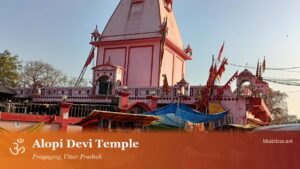 DurgaAlopi Devi Temple, Prayagraj📍 Uttar PradeshॐHanumanBade Hanuman Ji Temple (Lete Hanuman), Prayagraj📍 Uttar Pradesh
 KrishnaBanke Bihari Temple, Vrindavan📍 Uttar Pradesh
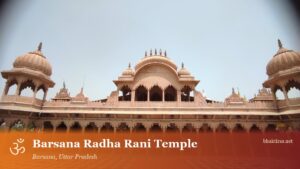 RadhaBarsana Radha Rani Temple (Shriji)📍 Uttar Pradesh
 Bharat MataBharat Mata Temple, Varanasi📍 Uttar Pradesh