
ॐ
Santiniketan — Upasana Mandir & Visva-Bharati
Brahmo prayer-hall & heritage site • Bolpur, West Bengal
॥ ॐ पिता नोऽसि ॥
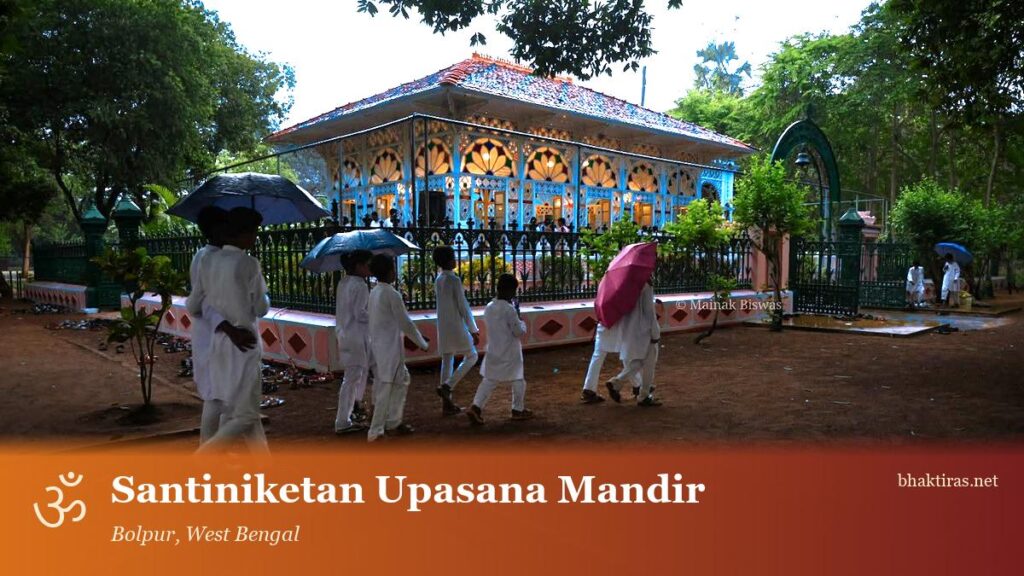
Santiniketan in Birbhum district grew from an ashram founded in 1863 by Maharshi Debendranath Tagore into the home of Rabindranath Tagore’s Visva-Bharati. At its heart is the Upasana Griha, a glass-walled prayer hall of the Brahmo faith built in 1891, where worshippers gather not before an idol but in contemplation of the formless divine. In 2023 the whole cultural landscape was inscribed as a UNESCO World Heritage Site.
A Brahmo Prayer Hall, Not an Idol Shrine
The Upasana Griha, often called the glass mandir, belongs to the Brahmo Samaj tradition, which rejects idol worship in favour of devotion to a single, formless God. Its walls of coloured Belgian glass let light fall on a hall designed for collective prayer and reflection rather than ritual offerings.
Upasana here means a contemplative congregational worship — readings, music and silence — carried on without images or elaborate puja. Framing Santiniketan as a Brahmo and cultural site, rather than a conventional temple, is essential to understanding it correctly.
From Ashram to Visva-Bharati
Debendranath Tagore established the ashram in 1863 on land he named Santiniketan, the ‘abode of peace’. His son Rabindranath transformed it into an experiment in open-air education, with classes held under the trees.
In 1921 Rabindranath founded Visva-Bharati, a university built on his ideal of bringing the world into one nest and uniting Indian and global learning. The institution remains the living core of the town and its intellectual identity.
Festivals and Cultural Life
Santiniketan’s calendar centres on two celebrated events. Poush Mela, held in winter, brings folk performers, Baul singers and craftspeople together in a large open fair tied to the founding of the Brahmo tradition here.
Basanta Utsav, the spring festival inspired by Tagore’s vision, fills the campus with song, dance and colour to mark the season. These gatherings express the town’s blend of devotion, art and education rather than temple ritual.
- Poush Mela — winter fair with Baul music and crafts
- Basanta Utsav — Tagore’s spring festival
- Upasana — congregational Brahmo prayer in the glass hall
Visiting Santiniketan
The site lies at Bolpur in Birbhum district, well connected by rail from Kolkata. Visitors can walk the Visva-Bharati campus, view the Upasana Griha and explore the murals, sculptures and Tagore-era buildings that earned the UNESCO listing.
As a working university and heritage zone, parts of the campus follow visiting hours and access rules, and the prayer hall is used for upasana on set days. Travellers should respect its quiet character and check timings before arriving.
Frequently Asked Questions
Is Santiniketan a temple?
Santiniketan is not a conventional idol temple but a Brahmo prayer site and cultural heritage place. Its Upasana Griha is a glass-walled hall for congregational worship of the formless divine, with no idols or puja. It is best understood as the ashram and university town shaped by the Tagore family.
Who founded Santiniketan?
Maharshi Debendranath Tagore founded the Santiniketan ashram in 1863. His son Rabindranath Tagore later developed it into a centre of education and, in 1921, established Visva-Bharati university there. The town remains tied to the Tagore legacy.
What is the Upasana Mandir at Santiniketan?
The Upasana Mandir, or Upasana Griha, is a prayer hall built in 1891 with walls of coloured glass, earning it the name glass mandir. It is used for Brahmo congregational worship of a single formless God. Prayer here involves readings, music and silence rather than image worship.
Why is Santiniketan a UNESCO World Heritage Site?
Santiniketan was inscribed as a UNESCO World Heritage Site in 2023 for its unique cultural landscape and educational vision. It preserves the buildings, art and ideals of Rabindranath Tagore’s Visva-Bharati. The recognition honours its blend of Indian and global humanism.
What festivals are celebrated at Santiniketan?
The two main festivals are Poush Mela in winter and Basanta Utsav in spring. Poush Mela is a large fair featuring Baul singers and craftspeople, while Basanta Utsav celebrates the season with song, dance and colour. Both reflect Tagore’s cultural vision rather than temple ritual.
How do I reach Santiniketan?
Santiniketan is at Bolpur in Birbhum district, West Bengal, reachable by train from Kolkata in a few hours. Bolpur railway station is the nearest hub, with road links onward to the Visva-Bharati campus. The site combines a working university with heritage areas open to visitors.
॥ सत्यं शिवं सुन्दरम् ॥ • Bhaktiras.net Temple Guide
| Tradition | Brahmo (formless worship) |
| Prayer Hall | Upasana Griha (glass mandir), 1891 |
| Ashram Founded | 1863 by Debendranath Tagore |
| University | Visva-Bharati, 1921 (Rabindranath Tagore) |
| Festivals | Poush Mela, Basanta Utsav |
| Heritage | UNESCO World Heritage, 2023 |
| Location | Bolpur, Birbhum |
| State | West Bengal |
Related Temples
Explore more sacred temples connected by deity and region.
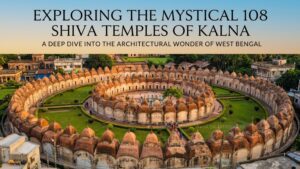 Shiva108 Shiva Temple, Kalna (Nava Kailash)📍 West Bengal
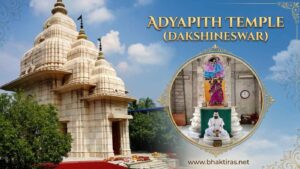 Adya ShaktiAdyapeath Temple, Dakshineswar📍 West Bengal
 DurgaAmbika Kalna Temples (Rajrajeshwari)📍 West Bengal
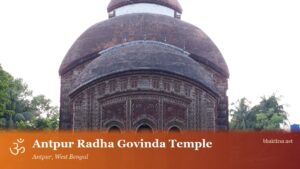 KrishnaAntpur Radha Govinda Temple📍 West Bengal
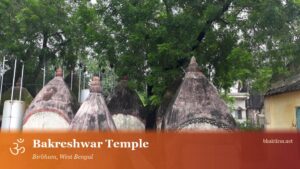 ShivaBakreshwar Temple & Hot Springs📍 West Bengal
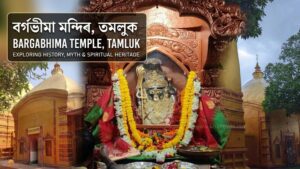 KaliBargabhima Temple, Tamluk📍 West Bengal