
ॐ
Amaravati Mahachaitya (Maha Stupa)
Gautama Buddha · Ancient Maha Stupa · Andhra Pradesh
॥ नमो बुद्धाय ॥
On the south bank of the Krishna river in Andhra Pradesh stands the remains of the Amaravati Mahachaitya, one of the most important Buddhist monuments of ancient India. Raised and enlarged from around the 3rd century BCE under the Satavahanas, the great stupa was once sheathed in carved white-limestone panels depicting the life of the Buddha. Today it survives as an archaeological site and museum, a touchstone of early Indian art and devotion.
A Great Stupa on the Krishna
The Mahachaitya was a monumental hemispherical stupa — a dome enshrining sacred relics, encircled by a railing and gateways for ritual circumambulation. Built in stages from about the 3rd century BCE, it grew over centuries into one of the largest stupas of the Buddhist world.
Its flowering came under the Satavahana dynasty, whose patronage transformed Amaravati into a major centre of Buddhist learning and pilgrimage along the Krishna valley trade routes.
The Sculpture of Amaravati
The stupa is celebrated above all for its relief carvings in pale local limestone, sometimes called Palnad marble. These panels narrate episodes from the Buddha’s life and earlier Jataka tales with a fluid, crowded vitality that gave its name to the ‘Amaravati school’ of sculpture.
In the earliest carvings the Buddha is suggested through symbols — a wheel, an empty throne, a pair of footprints, the Bodhi tree — before later panels show him in human form. Many of these masterly slabs are now held in museums in India and abroad.
The Site Today
What remains at Amaravati is the great circular base of the stupa and an on-site museum that gathers sculptures, railing fragments and inscriptions recovered from the mound. The setting allows visitors to trace the plan of the monument and read the story of its long life and rediscovery.
The site is cared for as a protected monument and is visited by students of art and history, Buddhist pilgrims and travellers exploring the Buddhist circuit of the Krishna basin around the modern town of Amaravati.
How to reach Amaravati Mahachaitya
- By road: Amaravati is about 35 km from Vijayawada and well connected by APSRTC and private buses and taxis; the stupa and museum lie near the river in the old town.
- By train: Vijayawada Junction, a major railway hub on the Chennai–Howrah and Chennai–Delhi routes, is the nearest convenient railhead, with road transfer to the site.
- By air: Vijayawada International Airport at Gannavaram, roughly 55 km away, is the closest airport, served by flights from major Indian cities.
Frequently Asked Questions
What is the Amaravati Mahachaitya?
It is a great Buddhist stupa on the Krishna river in Andhra Pradesh — one of ancient India’s most important Buddhist monuments, built and enlarged from around the 3rd century BCE.
Who built and patronised the stupa?
The monument grew over centuries, most notably under the Satavahana dynasty, whose patronage made Amaravati a leading centre of Buddhist art and pilgrimage.
Why is Amaravati famous in art history?
For its carved white-limestone relief panels depicting the Buddha’s life and Jataka stories. Their distinctive lively style gives its name to the Amaravati school of sculpture.
What can visitors see at the site now?
The great circular base of the stupa survives, alongside an on-site archaeological museum displaying sculptures, railing fragments and inscriptions recovered from the mound.
How old is the monument?
Construction began around the 3rd century BCE and continued in phases over several centuries, making it one of the earliest and longest-lived great stupas in India.
How do I reach Amaravati?
It is about 35 km from Vijayawada, which has the nearest major railway station and, at Gannavaram, the nearest airport. Buses and taxis run from Vijayawada to the site.
॥ बुद्धं शरणं गच्छामि ॥ • Bhaktiras.net Temple Guide
| Tradition | Buddhism |
| Honours | Gautama Buddha |
| Location | Amaravati, Krishna river, Andhra Pradesh |
| Built From | c. 3rd century BCE |
| Patrons | Satavahana dynasty |
| Famed For | White-limestone relief sculpture |
Related Temples
Explore more sacred temples connected by deity and region.
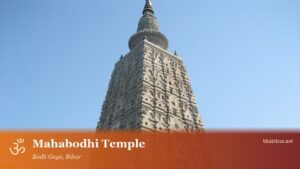 BuddhaMahabodhi Temple, Bodh Gaya📍 Bihar
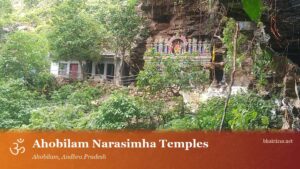 NarasimhaAhobilam Nava Narasimha Temples📍 Andhra Pradesh
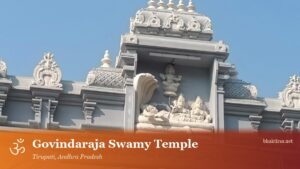 VishnuGovindaraja Swamy Temple, Tirupati📍 Andhra Pradesh
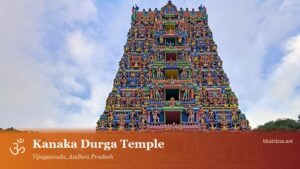 DurgaKanaka Durga Temple, Vijayawada📍 Andhra Pradesh
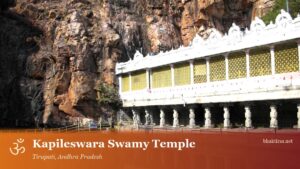 ShivaKapileswara Swamy Temple, Tirupati📍 Andhra Pradesh
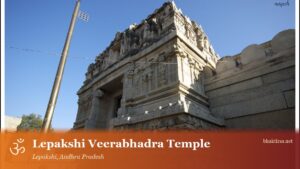 ShivaLepakshi Veerabhadra Temple📍 Andhra Pradesh