ॐ
Kedareswara Temple, Hajo
Shiva (Kedareswara) • Hajo, Kamrup, Assam
॥ ॐ नमः शिवाय ॥
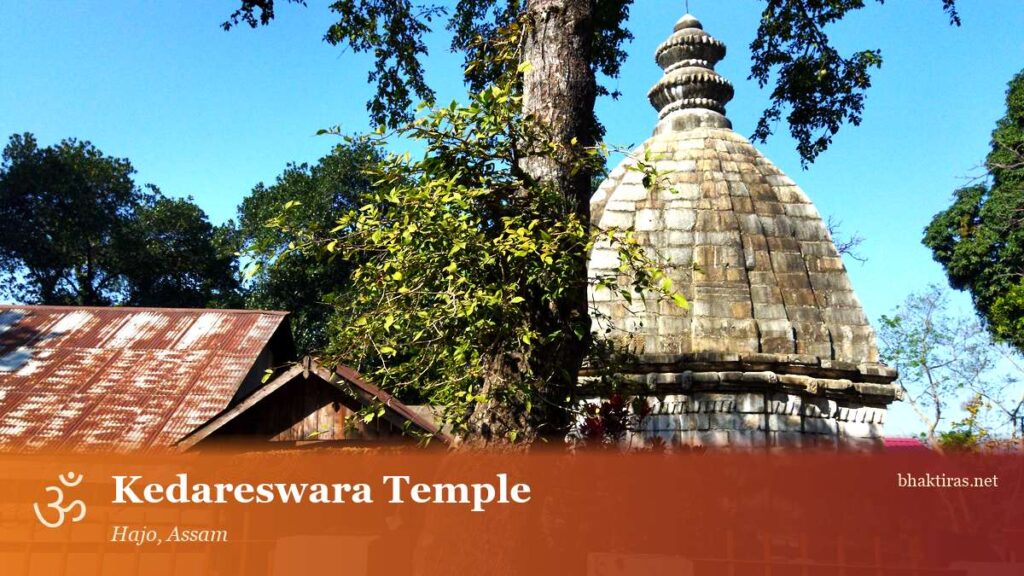
On the Madanachala hill at Hajo, near Guwahati, Shiva is worshipped as Kedareswara over a linga held to be self-manifested. Hajo is a meeting-ground of faiths, and a neighbouring hill carries the Hayagriva Madhava temple, so the small pilgrim town draws devotees of more than one tradition.
The swayambhu linga
The object of worship at Kedareswara is a linga described as swayambhu, self-manifested rather than installed by human hand. Such lingas hold a special place in Shaiva devotion, and pilgrims come specifically to take darshan of it on the Madanachala hill.
The hill-top setting, reached by a climb, gives the shrine a quiet separation from the town below while keeping it within easy reach of Hajo’s other sacred sites.
A town shared by many faiths
Hajo is unusual for the way several religious traditions converge on one small town. On a nearby hill stands the Hayagriva Madhava temple, a major pilgrimage centre in its own right, and the area draws worshippers of different faiths.
This shared character means a visit to Kedareswara is often part of a wider circuit of Hajo’s shrines rather than a journey to a single isolated temple.
Rebuilding under the Koch and Ahom rulers
The present dome of the temple is generally placed in the seventeenth century, rebuilt under the patronage of the Koch and Ahom rulers who held sway over this part of Assam. Firm earlier dates are harder to fix from the available record, so claims about the original structure are best kept modest.
What is clear is that royal patronage gave the shrine its later form and helped sustain worship there through changing political fortunes in the Brahmaputra valley.
- Self-manifested (swayambhu) Shiva linga
- Set on the Madanachala hill at Hajo
- Near the Hayagriva Madhava temple
- Present dome rebuilt in the 17th century
Worship and Shivaratri
Shivaratri is the chief festival at Kedareswara, when the hill shrine sees its largest gathering and night-long worship of the lord. The rest of the year brings a steadier flow of pilgrims to the hill.
Because Hajo is compact and its sites lie close together, many visitors combine the climb to Kedareswara with the other temples of the town in a single day.
Frequently Asked Questions
Which deity is worshipped at the Kedareswara temple in Hajo?
Shiva is worshipped here as Kedareswara, over a linga held to be swayambhu, or self-manifested. The temple stands on the Madanachala hill at Hajo near Guwahati.
What makes the Kedareswara linga special?
It is considered swayambhu, meaning self-manifested rather than installed by human hand. Such lingas are especially revered in Shaiva worship, and pilgrims climb the hill specifically for its darshan.
Why is Hajo important to more than one faith?
Hajo is a shared pilgrimage town where several traditions converge. The Hayagriva Madhava temple sits on a neighbouring hill, and the area draws devotees of different faiths to its closely grouped shrines.
When was the Kedareswara temple built?
The present dome is generally dated to the seventeenth century, rebuilt under the Koch and Ahom rulers. Firmer dates for any earlier structure are uncertain, so older claims are best treated with caution.
What is the main festival at the Kedareswara temple?
Shivaratri is the chief festival, when the hill shrine draws its largest crowds and night-long worship. Pilgrims visit through the year as well.
Where is the Kedareswara temple located?
It is on the Madanachala hill at Hajo in the Kamrup district of Assam, near Guwahati. The town’s other shrines, including Hayagriva Madhava, lie close by.
॥ हर हर महादेव ॥ • Bhaktiras.net Temple Guide
| Primary Deity | Shiva (Kedareswara) |
| Linga | Swayambhu (self-manifested) |
| Location | Madanachala hill, Hajo |
| District | Kamrup, Assam |
| Near | Hayagriva Madhava temple |
| Present Dome | 17th century |
| Patrons | Koch and Ahom rulers |
| Main Festival | Shivaratri |
Related Temples
Explore more sacred temples connected by deity and region.