
ॐ
Shakambhari Mata Temple, Sambhar
Goddess Shakambhari • Sambhar, Jaipur, Rajasthan
॥ ॐ दुं दुर्गायै नमः ॥
Near the edge of the Sambhar Salt Lake in Rajasthan stands the shrine of Shakambhari Devi, the “bearer of greens” — the form of Durga who fed a starving world from her own body. She is the kuldevi of the Chauhan dynasty, and this seat is regarded in tradition as the origin Sakambhari peeth. Her great festival, the Shakambhari Navaratri, falls in the winter month of Pausha.
The goddess who ended a famine
Shakambhari’s name comes from shaka, meaning vegetables and greens, and the goddess who bears them. The legend tells of a world wracked by a hundred-year drought, with crops failing and people dying, until the Devi appeared and brought forth fruits, roots and leaves from her own body to feed every living thing. Where other forms of Durga are remembered for battle, this one is remembered for nourishment.
That story gives the shrine a distinctive character. Worshippers come not only for protection but for sustenance in the plainest sense — good harvests, enough food, relief from want. The goddess is the answer to hunger itself.
Kuldevi of the Chauhans
Shakambhari is honoured as the clan goddess of the Chauhans, the Rajput dynasty whose name runs through much of north Indian medieval history. For families who trace descent or allegiance to that lineage, a visit here is a return to the ancestral deity, and the temple keeps a strong pull on Rajput communities.
This clan link gives the shrine a layer of identity beyond pilgrimage: it is a place of belonging as much as worship, where lineage and devotion meet at the same altar.
The legend of the salt lake
Local tradition ties the goddess directly to the landscape. It is said that Shakambhari turned a dense forest into a level plain, and that this plain became the vast Sambhar Salt Lake that now stretches near the temple — India’s largest inland salt lake. The shrine and the lake are read as parts of a single story of transformation worked by the Devi.
Standing where the dry expanse meets the saline flats, the site carries an unusual atmosphere: a goddess of greenery and abundance presiding beside a sweep of salt, a reminder that her gifts shaped the very ground.
Shakambhari Navaratri in winter
Unlike the better-known spring and autumn Navaratris, the festival central to this goddess is the Shakambhari Navaratri, observed in the cold month of Pausha. It closes on Shakambhari Purnima, the full-moon day held sacred to her, when the temple draws its largest gatherings.
Because the celebration honours a goddess of food, offerings often include fresh produce, fruits and vegetables laid before the deity. Pilgrims from across Rajasthan and neighbouring states time their visit to these winter days.
Frequently Asked Questions
Who is Shakambhari Devi?
Shakambhari is a form of Durga known as the bearer of greens. In legend she ended a long famine by bringing forth vegetables, fruits and roots from her own body to feed a starving world, so she is worshipped as the goddess of nourishment.
Which dynasty worships Shakambhari as its kuldevi?
She is the clan goddess of the Chauhan dynasty. Families connected to that Rajput lineage regard the Sambhar shrine as their ancestral deity and visit it as a place of belonging.
How is the goddess linked to the Sambhar Salt Lake?
Tradition holds that Shakambhari transformed a forest into a plain, and that plain became the Sambhar Salt Lake. The shrine and the lake are read together as parts of one legend of the goddess reshaping the land.
What is the main festival here?
The chief festival is the Shakambhari Navaratri, observed in the winter month of Pausha and ending on Shakambhari Purnima. It is distinct from the more familiar spring and autumn Navaratris.
Why is the Sambhar shrine significant?
It is regarded in tradition as the origin Sakambhari peeth, the source seat of the goddess. That status, together with the Chauhan clan link and the salt-lake legend, makes it an important Shakta site in Rajasthan.
What do devotees offer to Shakambhari?
Because she is a goddess of food, offerings frequently include fresh fruits and vegetables alongside the usual worship. The produce reflects her identity as the deity who feeds and sustains.
॥ जय माता दी ॥ • Bhaktiras.net Temple Guide
| Primary Deity | Shakambhari (Durga) |
| Meaning of Name | Bearer of greens |
| Location | Sambhar, Jaipur district |
| State | Rajasthan |
| Clan Deity Of | The Chauhan dynasty |
| Significance | Regarded as the origin Sakambhari peeth |
| Nearby Landmark | Sambhar Salt Lake |
| Main Festival | Shakambhari Navaratri (Pausha) |
Related Temples
Explore more sacred temples connected by deity and region.
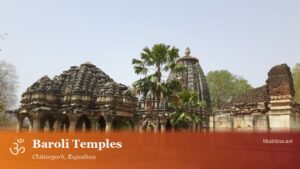 ShivaBaroli (Badoli) Temples, Chittorgarh📍 RajasthanॐShivaBhuteshwar Mahadev, Chambal📍 RajasthanॐShivaBhuteshwar Mahadev, Jodhpur📍 Rajasthan
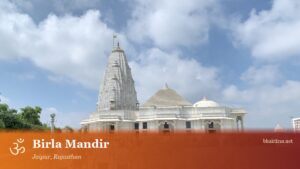 VishnuBirla Mandir (Laxmi Narayan Temple), Jaipur📍 Rajasthan
 Brahma KumarisBrahma Kumaris Headquarters, Mount Abu📍 Rajasthan